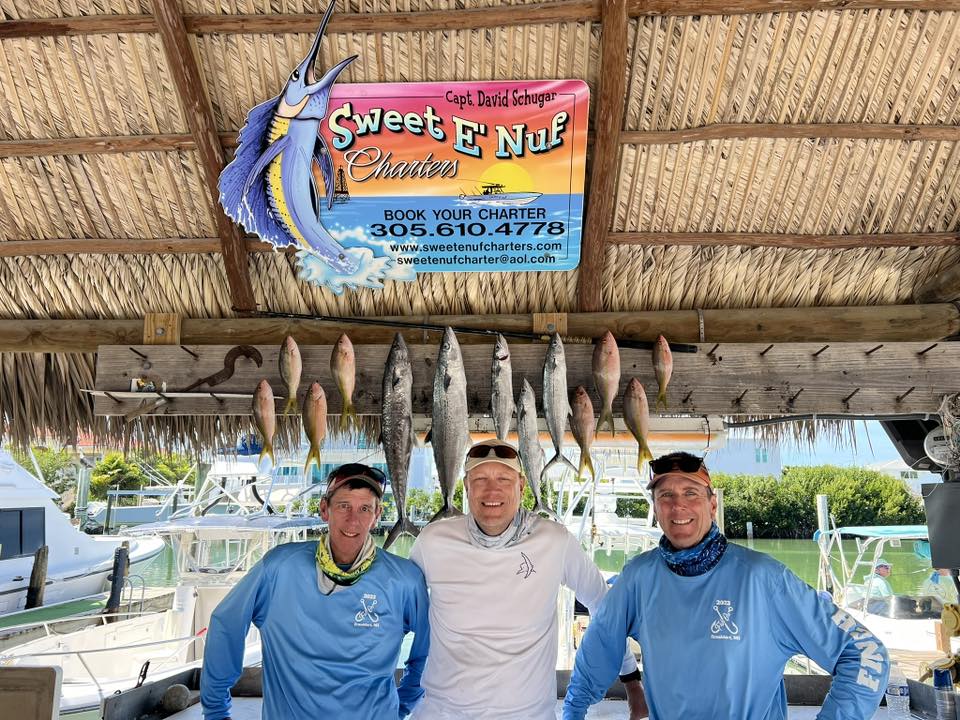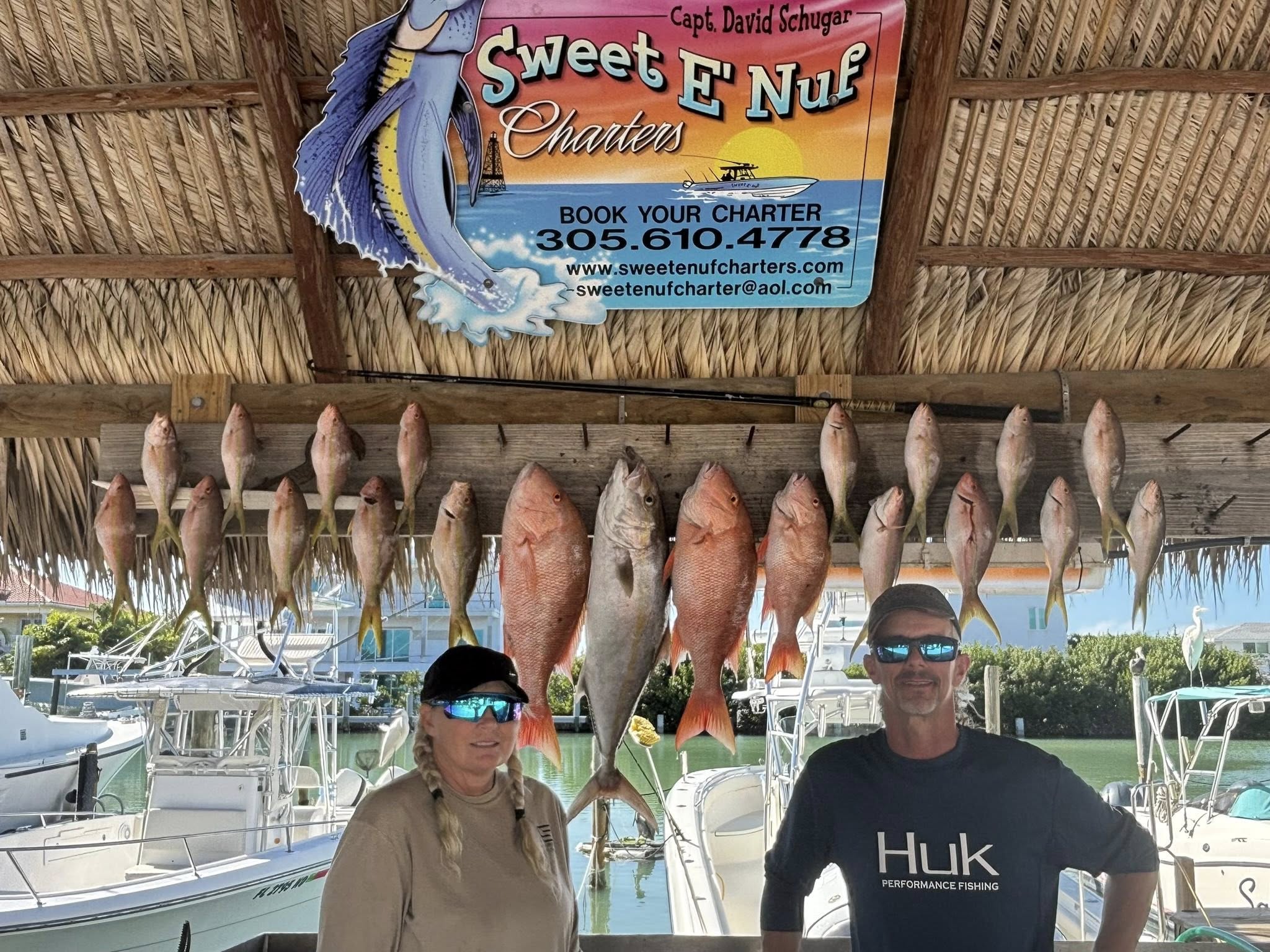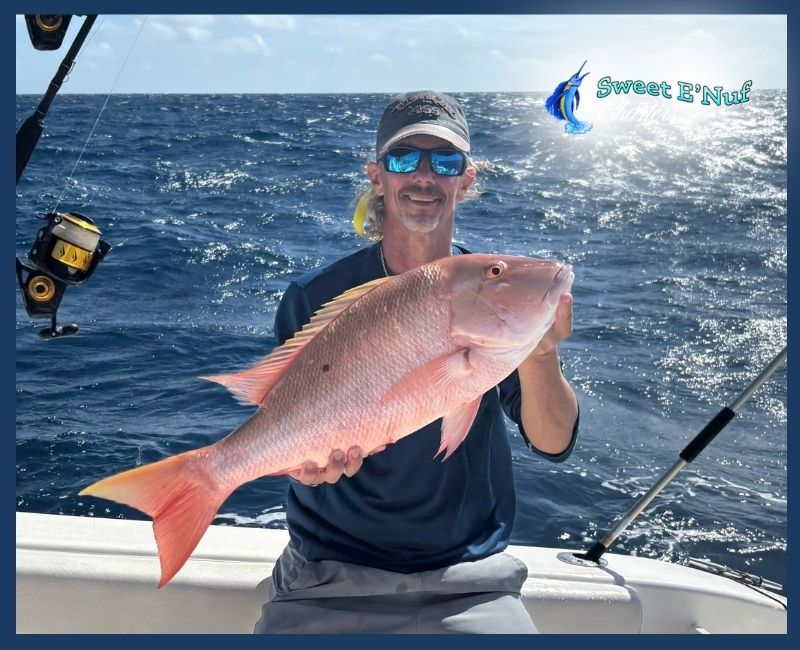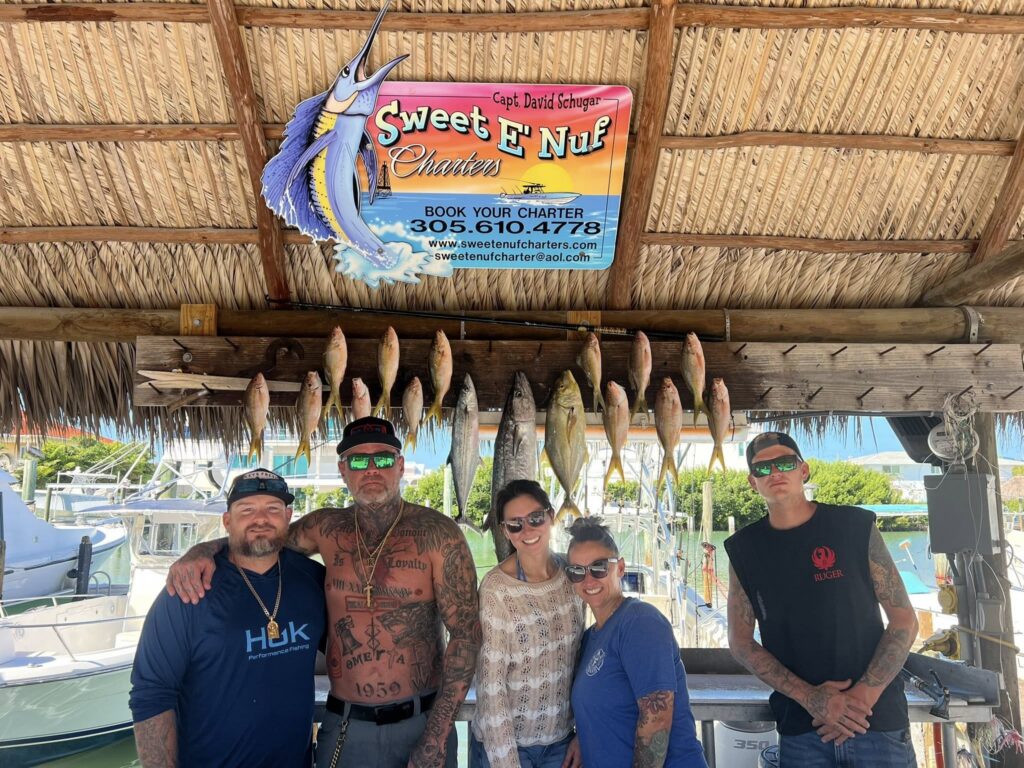
February Fishing in Marathon, Florida Keys: Prime Winter Action You Don’t Want to Miss

February Fishing in Marathon, Florida Keys: Prime Winter Action You Don’t Want to Miss

February is one of the most underrated — and most productive — fishing months in Marathon, Florida. While much of the country is battling winter weather, the Florida Keys are delivering cooler temps, calmer seas, and some of the best offshore and reef fishing of the year. If you’ve been waiting for the perfect time to book a charter, this is it.

What’s Trending in Marathon Fishing This February

Winter Sailfish Runs 🔥

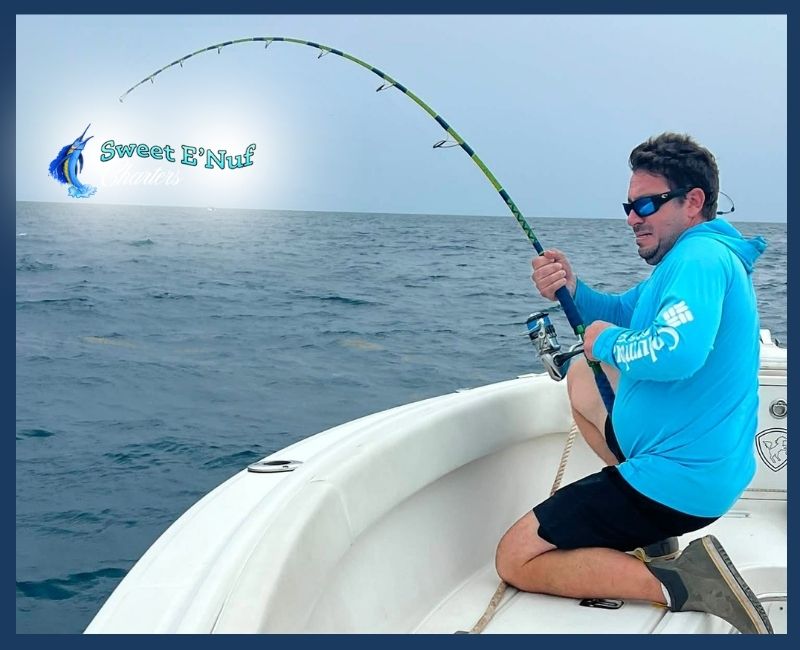
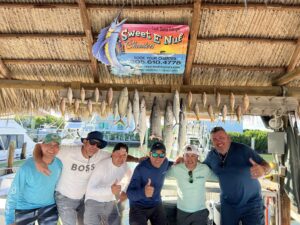
February is peak season for sailfish, and Marathon sits right in the sweet spot. Cooler water temps push sails closer to shore, giving anglers thrilling surface action and acrobatic fights that make for unforgettable trips.

Blackfin Tuna Bites Are Strong

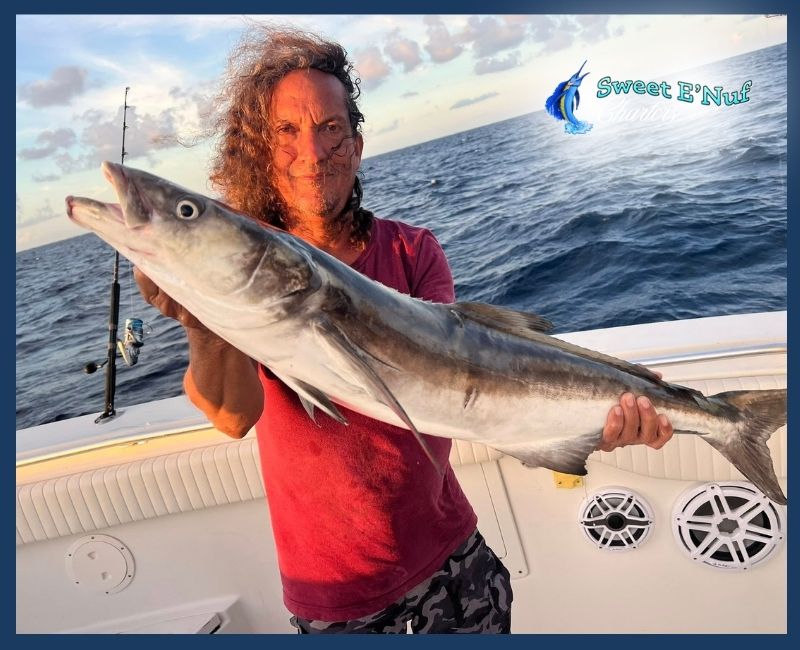
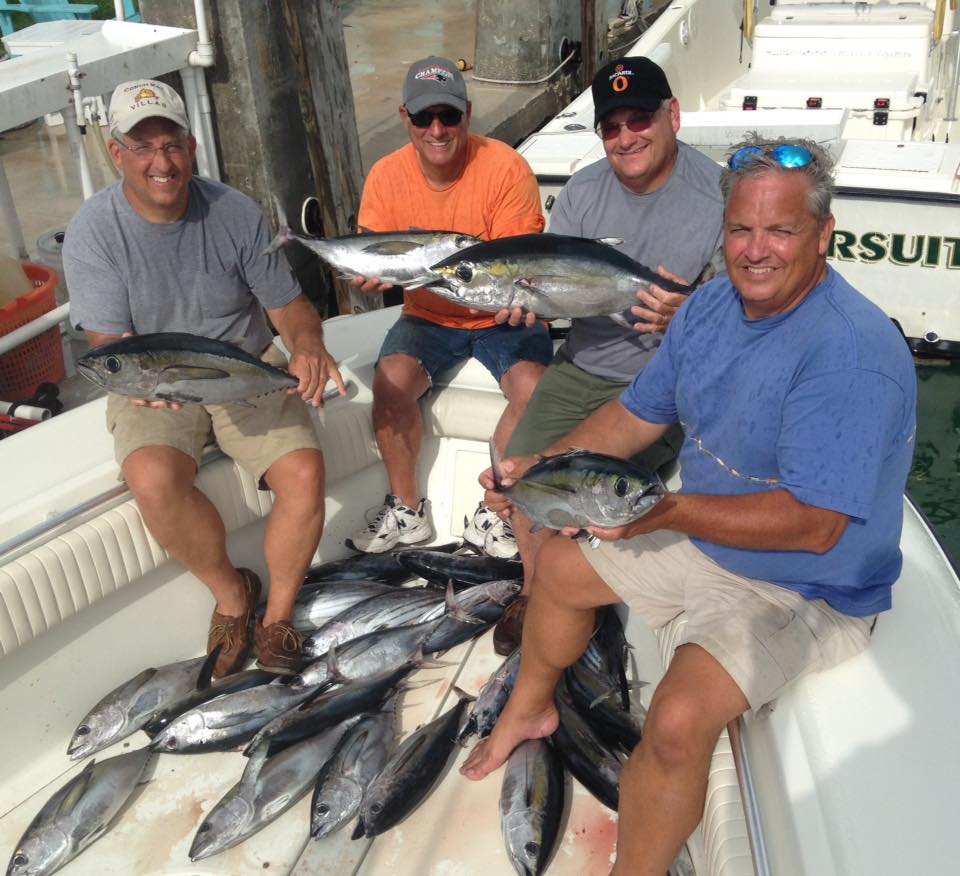
Blackfin tuna remain a February favorite in the Keys. These fast, hard-fighting fish are plentiful offshore and are perfect for anglers who want non-stop action and great table fare.

Reef Fishing Is Red-Hot

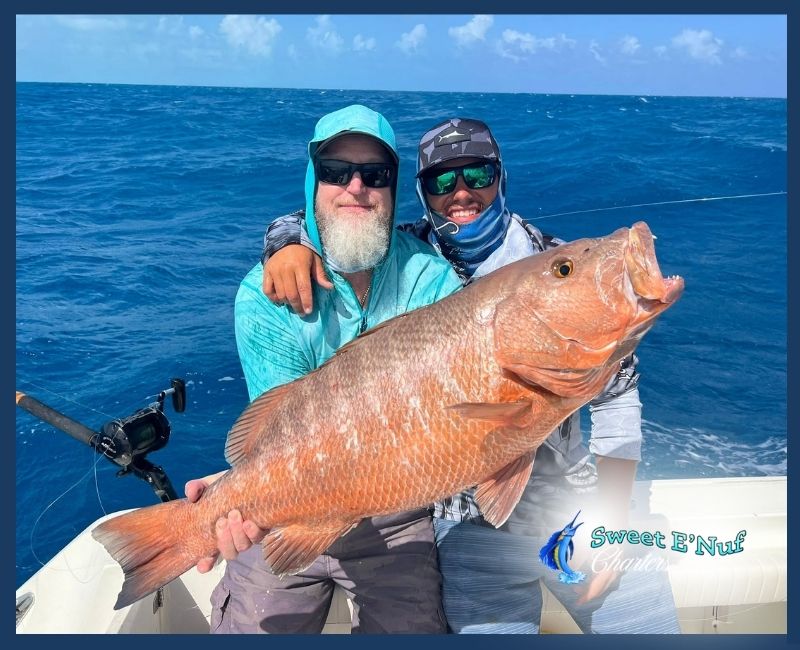
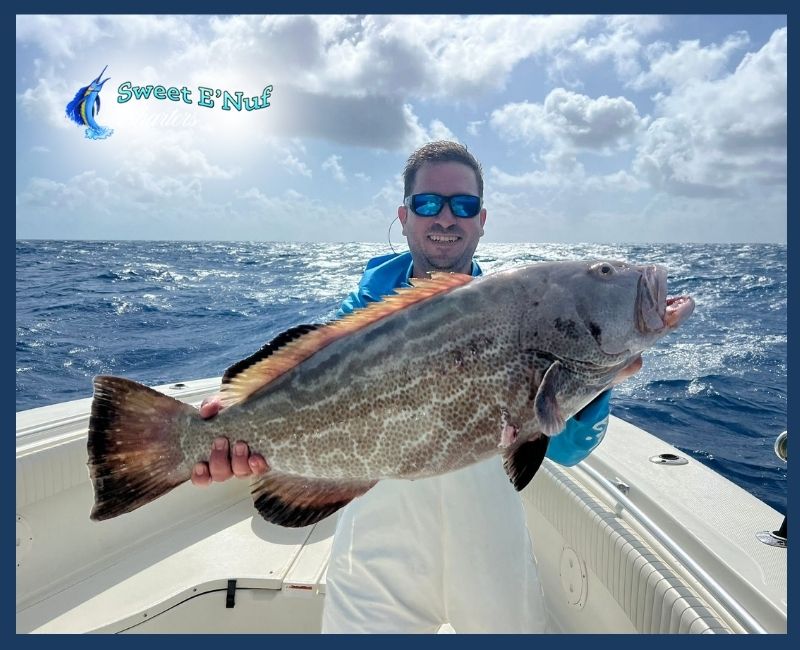
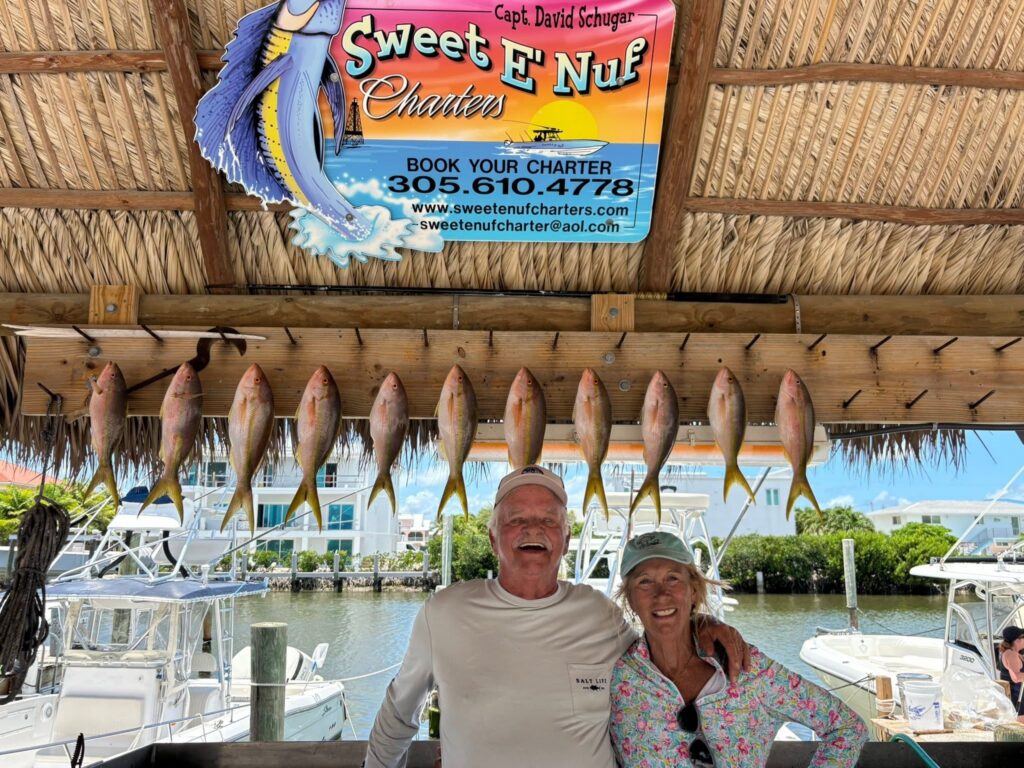
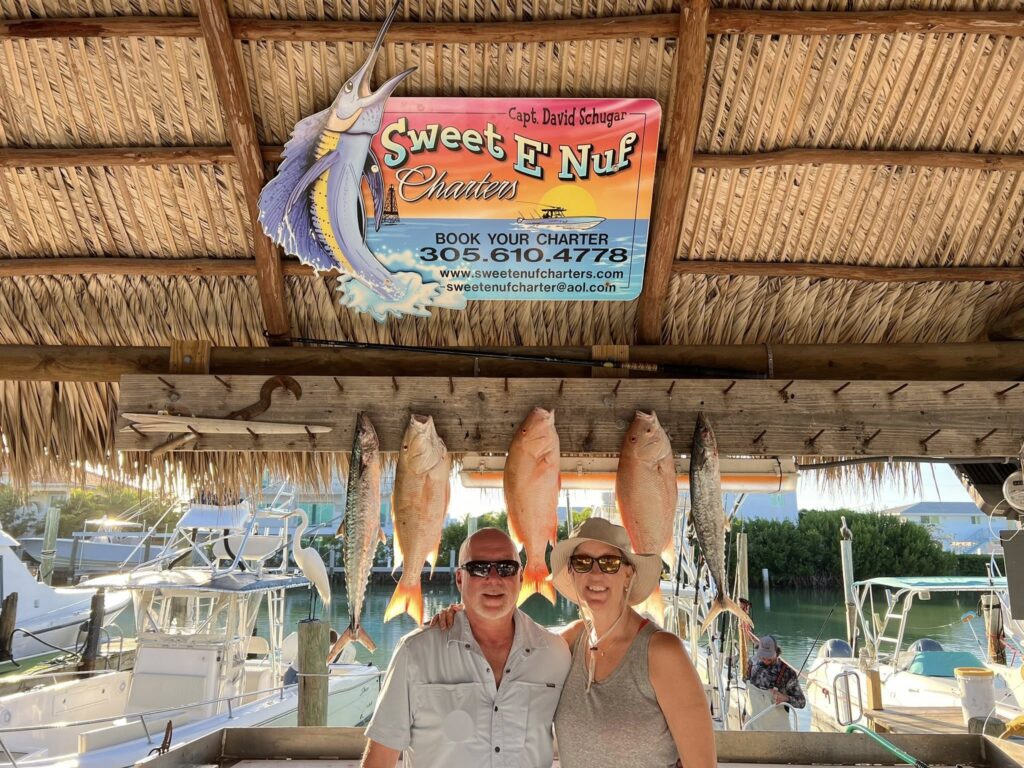
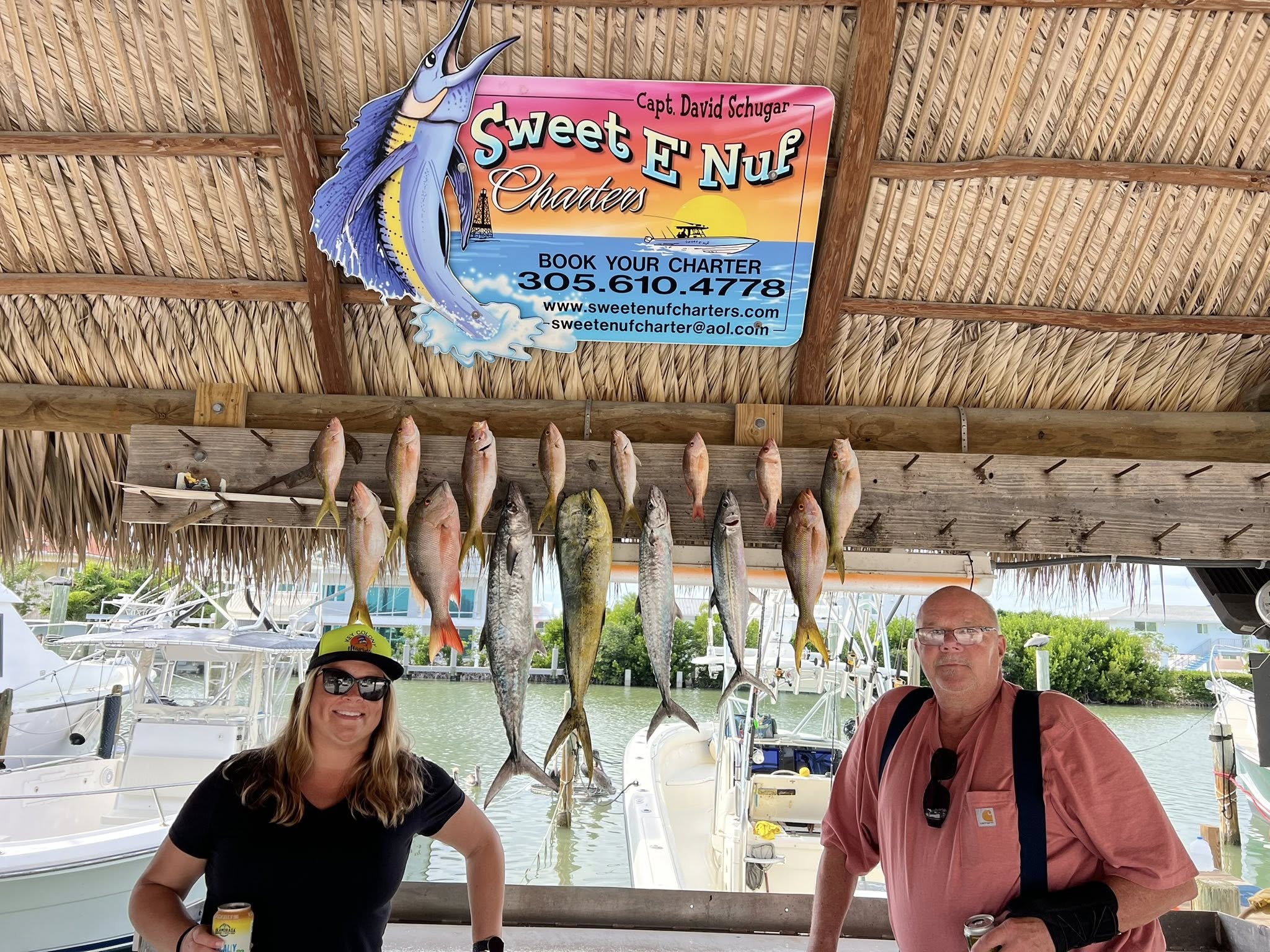
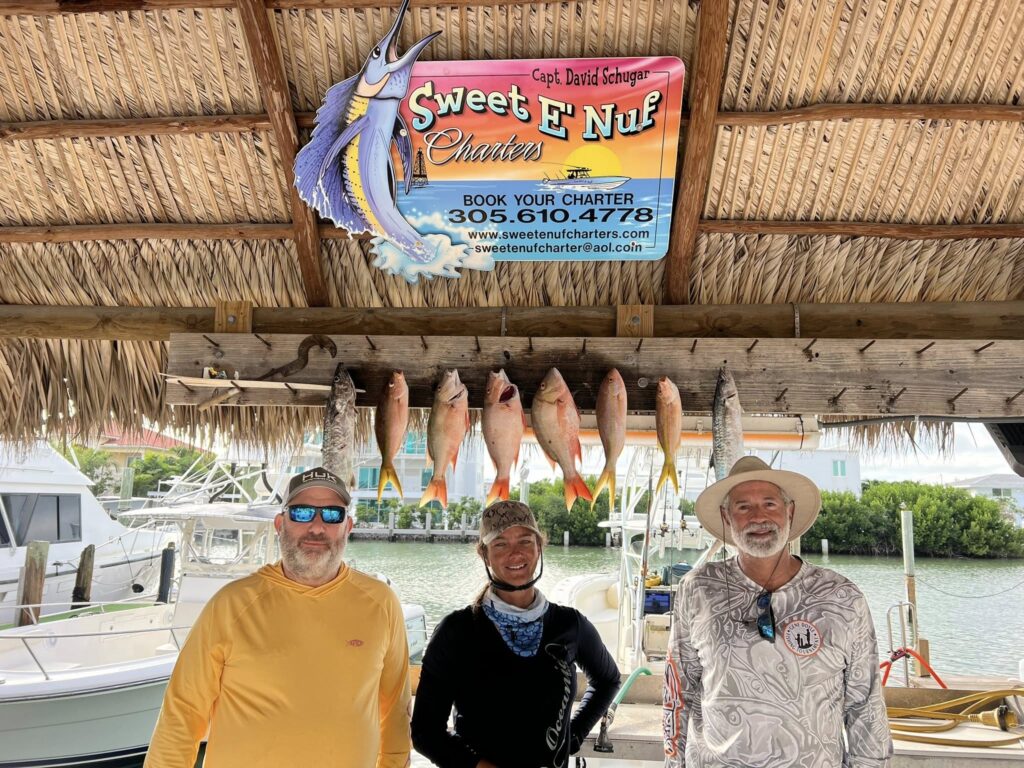
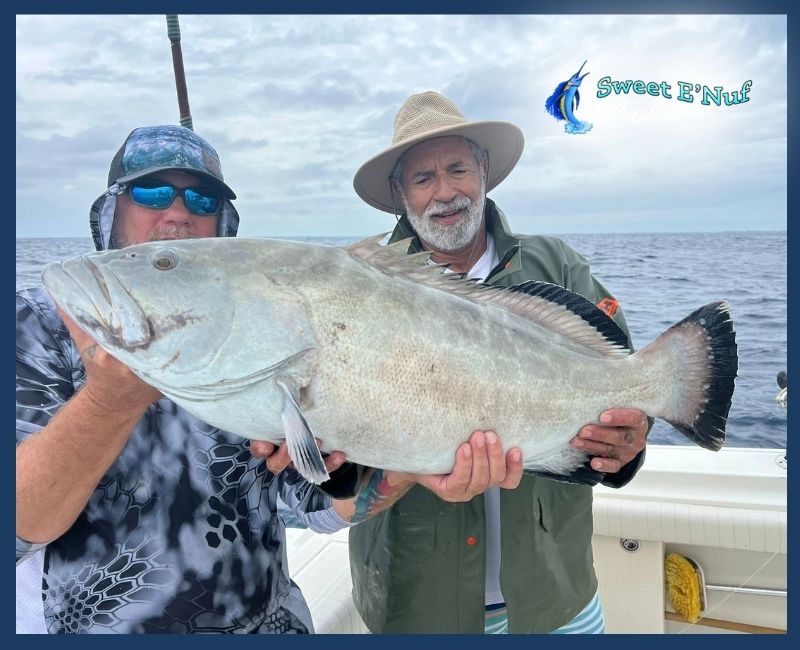
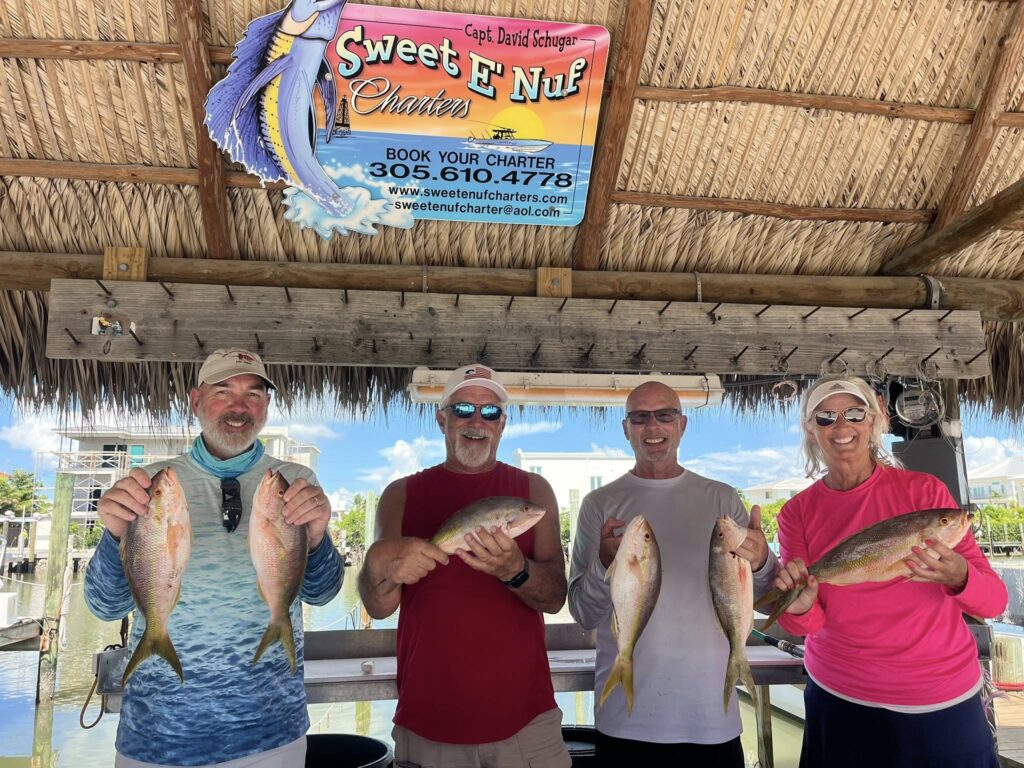
February brings excellent conditions for yellowtail snapper, mutton snapper, and grouper (in season). The cooler water keeps fish active and feeding aggressively — ideal for families, beginners, and anglers who want to bring dinner home.

Calmer Crowds, Better Fishing

Unlike spring break chaos, February offers less boat traffic and more productive fishing grounds, meaning more lines in the water and more fish on deck.

Why February Is One of the Best Months to Charter in Marathon

✔ Comfortable weather
✔ Consistent bites
✔ Fewer crowds
✔ Variety of species
✔ Prime offshore and reef options

Whether you’re an experienced angler chasing trophy fish or a first-timer looking for a fun, stress-free trip, February delivers across the board.

Book Your February Fishing Charter in Marathon Today 🎣

Prime winter dates fill up fast — especially when the sailfish bite is on. If you’re ready to experience some of the best fishing the Florida Keys have to offer, now is the time to lock in your trip.


👉 Book your February charter now with Sweet E’Nuf Charters
🌐 https://www.sweetenufcharters.com/
📞 305-610-4778
📧 SweetEnufCharter@aol.com

Fish with experienced Marathon captains who know exactly where to go — and how to put you on fish.

February fishing is hot. Don’t miss it. Let’s get you hooked.

Start 2026 on the Water: Reel in the New Year with Sweet E’Nuf Charters

A new year isn’t just about resolutions—it’s about experiences. And there’s no better way to kick off 2026 than feeling the salt air on your face, the sun rising over the Florida Keys, and a rod bending under the weight of your next big catch. January is one of the most underrated—and rewarding—times to fish the waters off Marathon, and Sweet E’Nuf Charters is ready to help you start the year the right way.

Whether you’re setting foot on a fishing boat for the first time or you’re chasing your next trophy fish, our Florida Keys fishing charters offer the perfect mix of excitement, relaxation, and unforgettable memories. From reef and wreck fishing to offshore adventures and seasonal targets, the winter waters are alive—and so is the opportunity to make 2026 one to remember.

With experienced captains, top-of-the-line gear, and decades of local knowledge behind every trip, Sweet E’Nuf Charters delivers more than just fishing—we deliver authentic Florida Keys adventures.

Captain Quin putting anglers on fish—again.

👉 Learn more and plan your trip here: BOOK YOUR TRIP

Why January Is the Perfect Time to Fish in Marathon, FL

January fishing in the Florida Keys offers cooler temps, calmer crowds, and excellent action on the water. It’s the ideal month for:

  • Snapper and grouper on the reefs
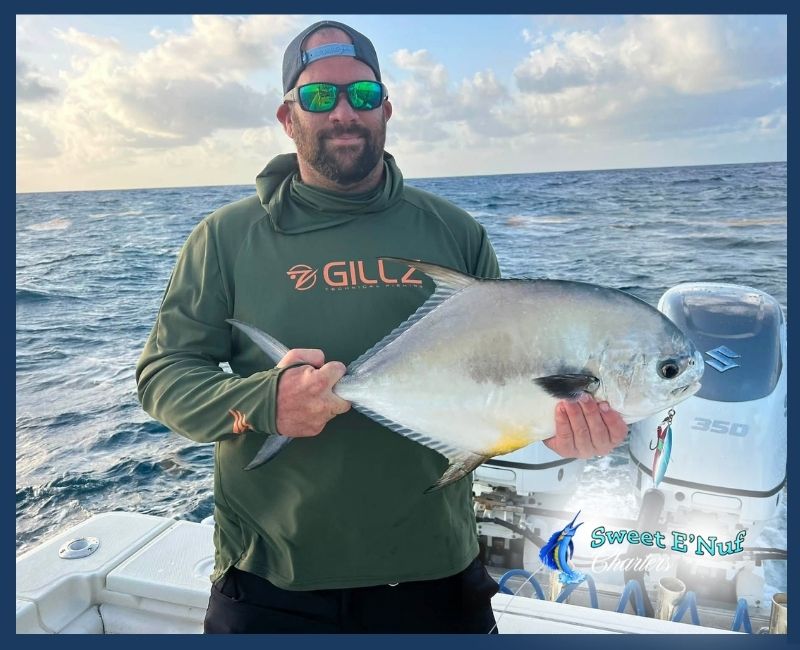
  • Wreck fishing for amberjack, cobia, and pompano
  • Offshore opportunities for sailfish and kingfish
  • Family-friendly half-day trips with comfortable weather

Starting your year on the water sets the tone for adventure, connection, and unforgettable stories—whether it’s a family outing, a couple’s escape, or a serious angling mission.

If fishing is on your 2026 bucket list, there’s no better time to check it off than right now.

If you’re new to fishing or want to brush up on the basics before your trip, we recommend this helpful guide from the U.S. Fish & Wildlife Service:
👉 A Beginner’s Guide to Fishing for the First Time

Pairing the right knowledge with an experienced charter crew makes all the difference—and we’re here to guide you every step of the way.


Make Your First Catch of 2026 Count

The thrill of sea fishing starts with the right guidance—and an incredible day on the water. At Sweet E’Nuf Charters, our captains are passionate about putting you on fish while making sure every trip is safe, fun, and tailored to your goals.

Whether you’re chasing snapper, sailfish, or simply looking to enjoy the beauty of the Florida Keys, we’re ready when you are.

Call or text to book your January 2026 fishing charter – or any time in this brand new year!
305-610-4778

🌐 Visit us online:
https://www.sweetenufcharters.com/

Follow us on Facebook for recent catches and updates:
https://www.facebook.com/SweetEnufCharters/

Start the new year strong. Start it on the water.
Sweet E’Nuf Charters—where memories are made, one cast at a time.


Reference: [https://www.fws.gov/story/guide-fishing-first-time]

Tuna Fishing in Florida: An Angler’s Guide for 2026

Tuna fishing in Florida represents the pinnacle of sportfishing—a high-stakes, adrenaline-fueled pursuit that tests an angler’s skill, strength, and resolve against one of the ocean’s fastest and most powerful predators. As we enthusiastically look ahead to the 2026 season, the anticipation is already building for the deep-water battles that await those prepared to meet the challenge off the diverse Florida coast.

Success in these challenging waters is not left to chance; it requires meticulous planning, the right tackle, and crucial local knowledge about migrations, bait concentration, and the best techniques. At Sweet E’Nuf Charter, we specialize in turning those trophy aspirations into reality.

If you’re like me and tend to stick to the inshore waters of Florida, you’ve probably been told plenty of times, “You’re missing out, offshore fishing is awesome!” I know I sure have been told that. But what exactly are we missing out on?

After doing a bit of research, listening to stories of offshore fishermen, watching videos, and seeing all the cool species anglers catch… It seems like there’s quite a bit! But there’s one experience out there that really puts the icing on the cake – Tuna fishing in Florida. Let’s dive in and see what it’s all about!

Florida Tuna Fishing Regulations

First things first. It’s important to make sure you are aware of the regulations when it comes to Tuna fishing in Florida. Like any other species, rules are put into place to ensure healthy fisheries and to protect the population. It’s no secret that Tuna are heavily hunted and harvested. I mean there are TV shows out there specifically on Tuna fishing!

Something important to note is that some Tuna are considered Highly Migratory Species (HMS). Examples include Bluefin, Bigeye, Albacore, and Yellowfin Tuna. If fishing for these guys in federal or state waters, you’ll need a federal HMS angling permit. In federal waters, the permit issued per vessel will cover everyone fishing on board, but in state waters they apply to anglers individually.

If you catch a Bluefin Tuna, whether in state or federal waters, you have to report it to the NOAA by the next day. If you keep other HMS Tunas, you’ll also have to report it to NOAA within 24 hours. These can be reported over the phone or online.

If you participate in a tournament where you’ll be Tuna fishing in Florida and you come across highly migratory Tuna species, be sure to follow regulations. Usually, the tournament directors will have already taken the regulations into consideration and will communicate with anglers to let them know of any specifications.

For Blackfin Tuna, Atlantic Bonito, and Little Tunny, you won’t need any special permits. The season is open year-round for these guys and there aren’t any minimum size limits. The only thing to keep in mind is the daily bag limit of two fish or 100 pounds, whichever is greater.

However, the good news is that if you’re fishing with a licensed charter in Florida, most of these permits will be taken care of. You can sit back and focus on catching big, delicious fish to take home!

When is the best time to go Tuna fishing in Florida?

Tuna prefer warmer waters, so Florida is a perfect location for them because the water is mostly warm year round. In addition, some regions in Florida such as the Atlantic Ocean, reach good depths quickly, so traveling schools of Tuna can comfortably swim by.

Because they like the warmer conditions, the summer months tend to provide the best opportunities for finding Tuna. Although, depending on the species you can usually find them in Florida year-round.

For example, Blackfin Tuna are in Florida’s waters all year long, while species such as Yellowfin, Atlantic Bonito, Bigeye, Little Tunny, and Bluefin reach their peaks during the summer. Some of these species will migrate away for some time before being found again, while others may still be present but in smaller numbers.

Mostly all Tuna species will be active throughout the day, with peak biting times at dawn and dusk. Some species, such as Bigeye and Yellowfin tuna, often bite during the dark hours of the night as well.

When it comes to the tide, each species has its own taste. While you will be mostly offshore when fighting these guys, the movement of water can be influential, even if you are far out there. Bigeye, Little Tunny, and Blackfin Tuna like slack tides. On the other hand, Yellowfin Tuna and Atlantic Bonito are most active during strong outgoing or incoming tides.

Florida Tuna Fishing Gear

You can use pretty much any gear for Tuna fishing in Florida, depending on what Tuna you’re targeting. If you’re looking for small guys – Little Tunny, for example – you can use any common spinning or fly fishing setup – just like you would use inshore for Snook, Redfish, etc. A spinning setup consisting of a medium rod paired with a 3000 or 4000 reel will work fine.

On the other hand, if you’re going for large Bluefin Tuna, you’ll want to use an extra heavy rod and a 30000-sized reel for a spinning setup. Conventional reels are also common and you can use sizes up to 130 to bring in these beasts. In addition, there are specific jigging and trolling rods and reels out there that suit Tuna fishing.

Braids and fluorocarbon leaders starting at 80 pounds are a good idea. Some Tuna, like Bluefin, can also be skeptical when it comes to seeing a leader. Try to go as low as you can, while still having a strong enough leader to fight these guys. Most anglers recommend using an 8/0 hook. The larger the fish, the higher you should go.

Best Bait for Tuna Fishing in Florida

Some great examples of live bait for Tuna include ballyhoo, threadfin herring, blue runners, pogies, mullet, squid, and flying fish. Using these baits dead or cut up has also been proven to be successful.

If you’re not planning on using real critters for bait, artificials work just fine too. Examples of artificial lures include jigs, feathers, spoons, and strip baits. Anything that seems to shimmer or move, or has a bait-like appearance, such as similar coloring or eyes, will easily catch the attention of a Tuna.

Whether live, dead, or artificial, the best method for Tuna fishing in Florida is to troll your bait behind the boat at a slow and steady speed.

Why Marathon, Florida Is the Best Place for Tuna Fishing Charters

When it comes to Tuna fishing in Florida, Marathon in the heart of the Florida Keys stands above the rest. Thanks to its central location and easy access to deep, warm waters, Marathon offers some of the most consistent and productive Tuna fishing opportunities in the state.

Unlike many Florida ports that require long runs offshore, Marathon charters reach prime deep-water Tuna grounds quickly, maximizing your time fishing instead of traveling. These waters stay warm year-round, making it possible to target Tuna in every season. Blackfin Tuna are especially abundant, with regular chances of encountering Yellowfin as well.

What truly sets Marathon fishing charters apart is local expertise. Captains who fish these waters daily know the offshore humps, current breaks, and bait patterns that attract Tuna. This local knowledge leads to higher hookup rates and more successful trips for anglers of all skill levels.

While destinations like Destin or West Palm Beach offer seasonal Tuna opportunities, Marathon delivers reliability, accessibility, and world-class fishing all in one location. If you’re looking for the best Tuna fishing charter experience in Florida, Marathon in the Florida Keys is where serious anglers go to get results.

How to Go Tuna Fishing in Florida

As mentioned, the offshore waters hold structures where plenty of species take shelter and search for food. It’s best to have an offshore boat that can handle big waves and trips that go miles and miles out. If you don’t have a boat suitable for this – or you don’t have a boat at all – no worries. You can easily find a fishing charter to suit your needs.

There are plenty of options that specialize in Tuna fishing. Just bear in mind that, a lot of the time, the “honey holes” are quite far offshore. That means you’ll need a long time to reach them. Be prepared for at least a full day on the water.

No matter where you go or who you pick, you’re sure to have a blast while Tuna fishing in Florida! Your experienced captain is sure to know exactly how to entice the fish – probably by trolling – so you can head home with a cooler full of fish!

Tuna Fishing in Florida: A Battle for the Ages

I hope this article helped give you some insight into Tuna fishing in Florida. Spending a day in the offshore waters chasing these strong species is a real treat. Who knows, it may be the beginning of a new hobby for you. The strength of these fish will wear you out – but your aim is to do the same to them! Come aboard and catch that bucket-list monster!

Tuna are powerful, intelligent fighters, and success demands an experienced captain who knows exactly where they run and how to target them. Don’t miss out on the prime dates for the upcoming 2026 season! Secure your spot now to challenge the ocean’s ultimate predator with our expert crew and turn those trophy aspirations into reality. Book your next fishing adventure with us today at 305.610.4778 and visit our Facebook here.


Reference: [https://fishingbooker.com/blog/tuna-fishing-in-florida/]

10 Best Fishing Podcasts Every Angler Should Hear

There’s something timeless about the rhythm of fishing — the early mornings, the anticipation, the sound of the reel. But when you can’t be out on the water, the next best thing is tuning into the voices of those who live and breathe the sport. Fishing podcasts keep you connected, informed, and inspired — from expert tactics and conservation stories to hilarious on-the-water mishaps. Whether you’re casting in saltwater or freshwater, podcasts are the perfect companion for your drive to the dock or while cleaning your gear at day’s end.

Here’s the full list of the 10 Best Fishing Podcasts to follow.

🎣 Top Picks for Anglers Who Never Stop Learning
Each of these shows offers a unique angle on the fishing lifestyle — from seasoned captains to everyday enthusiasts sharing stories, strategies, and gear insights:

  1. 🎧 The Orvis Fly Fishing Guide Podcast — For fly anglers, this podcast delivers expert casting advice, gear talk, and in-depth ecology discussions.
  2. 🎧 Salt Strong Podcast — Focused on inshore and saltwater strategies, with practical advice for catching redfish, trout, and snook.
  3. 🎧 Fish Nerds Podcast — Fun, quirky, and full of fishing stories from both pros and weekend anglers.
  4. 🎧 Anchored with April Vokey — Deep, personal interviews with some of the most respected names in fishing and conservation.
  5. 🎧 The Big Bass Podcast — A must-listen for bass anglers — deep dives into techniques, tournament talk, and bass culture.
  6. 🎧 Tackle Talk Podcast — Honest reviews, pro interviews, and everything tackle-related for serious gearheads.
  7. 🎧 Millhouse Podcast — Legendary saltwater anglers share stories from the flats and beyond.
  8. 🎧 Captain’s Collective Podcast — Captains and guides discuss fishing philosophy, storytelling, and the art of patience on the water.
  9. 🎧 Bent by MeatEater — From the team at MeatEater, this one’s irreverent, smart, and full of angler humor.
  10. 🎧 The Fishing Booker Podcast — A global perspective with interviews from top charter captains and travel destinations.

🐠 Make Your Own Fishing Story With Sweet Enuf Charters

There’s no better feeling than turning knowledge into experience — and that’s exactly what you’ll do aboard Sweet Enuf Charters. Based in Islamorada, Florida, our professional team provides everything you need for an unforgettable day on the water — premium gear, expert guidance, kid-friendly, and an experienced, fun crew that knows where the big ones bite.

Whether you’re a seasoned angler chasing your next trophy or a family looking for an exciting ocean adventure, we’ll help you reel in memories that last a lifetime. Ready to feel that drag scream? 🎣

📞 Call 305-610-4778 to reserve your charter today
🌐 Visit sweetenufcharters.com for trip options and details
💙 Follow us on Facebook and IG for fishing updates, catches, and special offers

Don’t just listen to fishing stories — live them. Step aboard Sweet Enuf and experience the thrill of world-class sportfishing in the Florida Keys.

Creating Memories While Fishing with Your Kids

Fishing with kids is a wonderful way to slow down, connect with nature, and create lasting memories. It’s not just about the catch; it’s about the experience. Here are some tips to help you make your next family fishing trip a fun and successful adventure for everyone.

Spending time on the water together gives kids a chance to unplug, learn patience, and discover the joy of being outdoors. From teaching them how to cast a line to celebrating even the smallest catch, every moment becomes a chance to bond and share stories that will be retold for years. With the right guidance and a little preparation, fishing transforms from a simple outing into an unforgettable family tradition. We would love to give you that experience! 

7 simple tips to get your kids out fishing and having fun outdoors. Just a little bit of prepping for your kids to catch their first fish.

Fishing is a fantastic activity that gets your kids outside and interacting with the environment. With a little preparation and patience, you will have your kids catching their first fish in no time. Building memories on the water is very rewarding, and we have some ways to help make it super simple. Here are my top tips for successfully fishing with kids.

1. Plan your Trip with Kids in Mind

As a parent or caregiver, you know that plenty of unexpected events can put the damper on a fun trip. Make your first fishing trip easy by finding a spot close to home with bathroom access and enough open space for kids to cast. Public fishing piers and longer beach accesses are ideal. To find fishing spot near you, check out the Places to Boat & Fish Map and the Top Mom-Approved Places to Fish and Boat in the US.

2. Always Bring Life Jackets

Everyone should be wearing a life jacket as they learn to fish, including you! Even when you are fishing from shore, wearing a lifejacket develops safety habits. Also, bring along, hats, a pocket sized first aid kit and enough water and snacks for an enjoyable day.

3. Target Easy Fish

Do not go for trophy sized game fish when you take kids fishing. These species take more skill and patience than children are comfortable with. You should focus on targeting the most populated and actively feeding species. Panfish and trout are a good place to start. They can be found right next to the dock or weed beds adjacent to the shoreline. Rig up a basic hook, sinker and bobber. You can find this tackle in the Tailored Tackle Basic Fishing Kit. We recommend baiting a pinch of nightcrawler or small ball of bread.

4. Fishing Isn’t Boring

While not catching fish can be discouraging, especially to a young angler, there are many ways to go out ‘fishing’ and have fun without ‘catching’. When they’ve tired of casting, encourage them to poke around the river bank. They can look for critters, collect rocks, and get dirty. Playing with worms, launching leaf “boats” into the water, or even just taking a break and going for a walk can help younger anglers stay engaged. And don’t make your first excursion an all-day affair. An hour or two of casting, depending on the child’s age, will likely be just enough to keep them wanting more!

5. Teach them to Be Gentle

For kids under 12, you should be the only one releasing fish. Show them how to remove the hook, submerge the fish in water, and resuscitate by working the fish’s tail. Kids over 12 will have hands large enough to release fish on their own, however emphasize gentle release by submerging the fish. Children may panic the first time they hold a fish (it’s slimy! It moved!) so ensure your larger adult hands are cupping the child’s to ensure the fish isn’t thrown or dropped by accident.

6. Selfless Patience Creates New Anglers

Focus on giving your kid an amazing fishing experience. Your goal is to create a new angler who can enjoy the water with you for the rest of their lives. Fishing can be frustrating and feel slow going if the fish aren’t biting. It is your job to make it easier and exciting. While it may take a bit of work in the beginning, the reward is a new fishing partner. When their pole gets tangled, give them yours to keep them fishing while you fix it. If the bite slows down, go adventure along the shoreline or play in the water. You want them to associate fishing with fun. As you keep them interested in the sport, they will advance and learn to appreciate it as they grow.

7. Follow the Rules

Make sure you are aware of your state’s regulations before your family goes out fishing. The good news is that Take Me Fishing has an amazing License and Registration tool that makes getting a license and following the rules easy.

Plan a fishing trip with your kids on the best fishing charters in Islamorada! At Sweet Enuf Charters, we’ve got everything you need to make your adventure safe, exciting, and memorable. Book your next family fishing trip with us today at 305.610.4778 and check us out on Facebook for updates, photos, and inspiration for your time on the water.


Reference: [https://www.takemefishing.org/blog/november-2019/7-tips-for-fishing-with-kids/]

Fishing and Mental Well-being

Fishing is more than just a sport; it’s a powerful way to unwind and improve your mental well-being. The simple act of casting a line offers a peaceful escape from daily stress, helping you focus and connect deeply with the natural world. Discover how this calming activity can significantly enhance your mental health.

Ready to experience it for yourself? Book a trip with Sweet E’Nuf Charters and let the water work its magic. Whether you’re an experienced angler or brand new to fishing, our relaxing, guided charters are the perfect way to recharge your mind and reconnect with nature. Cast off stress and reel in peace—reserve your spot today.

Many of us crave outdoor experiences on or near the water, but do we know why fishing for mental health can be so beneficial? The short answer is, we do. There are published studies that highlight the scientific evidence behind the ways in which stress relief through fishing and the outdoors can have a positive impact on our well-being.

Check out some of the amazing mental health benefits (backed by research) that are associated with being on or near the water:

1. Fishing reduces stress and enhances mood. According to the National Library of Medicine, recreational fishing has been associated with lower stress levels and improved mood. One study on recreational fishing, health and well-being found that avid anglers reported up to 15.4% lower stress scores compared to less active anglers.

2. Being outdoors improves mental well-being. Spending time in nature, including activities like fishing, can enhance overall mental well-being. Research highlighted by the American Psychological Association outlines how exposure to natural environments is linked to improved mood, a reduction in anxiety (the benefits of fishing for anxiety are proven), cognitive benefits, and a decrease in negative emotions.

3. There is a direct connection between mindfulness and fishing. Fishing requires focus and patience, which fosters a state of mindfulness. The meditative aspect of time in nature leads to relaxation and stress relief, which contributes positively to mental health. According to an article published by the National Alliance on Mental Illness, fishing can remind us of the importance of making deliberate choices for our well-being.

4. Outdoor activities can encourage positive social connections. Participating in fishing often involves social interactions, which are very beneficial for mental health and longevity (check out the National Library of Medicine research on social relations and life satisfaction). Engaging in outdoor activities with others can improve social bonds, boost self-esteem, and provide a source of emotional support.

5. Fishing provides outdoor physical activity. Fishing is a form of physical activity that is accessible to many, including individuals with disabilities or those recovering from illness. When we can engage in outdoor activities that improve our physical health, there are additional positive mental health outcomes that follow (reference the research on Mental Health and Recreational Angling in the UK).

These findings underscore why fishing for mental health is more important than we may have previously thought. Now is a good time to encourage your family and friends to enjoy the benefits of stress reduction, mindfulness, social interaction, physical activity, and overall well-being through fishing – or relax with a few hours of quiet time on the water yourself.

Enjoy the ocean on the best fishing charters in Islamorada – heck, the whole Keys! Your time on the water is more than just a getaway — it’s a reset. At Sweet E’Nuf Charters, we create fishing experiences that leave you refreshed, recharged, and reconnected. Join us and feel the difference a day on the water can make. Book your next fishing adventure with us today at 305.610.4778 and visit our Facebook here.

Reference: [https://www.takemefishing.org/blog/april-2025/why-fishing-for-mental-health-is-more-important-than-you-might-think/]

10 Easy Ways You Can Protect the Ocean

The health of our local waters and global marine life relies on us all. Our daily choices, from beach litter to home products, directly impact the ocean we love for recreation and sustenance. The good news is, helping the ocean is simpler than you think. Read on to discover 10 easy ways you can make a real difference.

Want to see the ocean up close and personal? At Sweet E’Nuf, our goal is to give you the best experience possible on your choice of Marathon fishing charters. Anglers of all ages and experience are welcome on all of our charters. We’ll take care of everything like rigging, baiting the hooks, setting the lines, and finding the perfect location. Our boat is also equipped with the best hardware available to help track down exactly the catch you’re looking for. Let’s get out there!

Tilefish

Tilefish are members of the family Malacanthidae, which is a group of fish that is widespread in tropical and temperate waters.

Six different types occur along the Atlantic coast of the United States. Two of those types, the golden tilefish (Lopholatilus chamaeleonticeps) and the blueline or gray tilefish (Caulolatilus microps), are fairly plentiful in Florida waters. The golden tilefish is the most colorful fish with a blue-green back that fades to a pearly white belly. It is touched with red and blue iridescence, highlighted by irregular yellow-gold spots and ocean-blue under the eyes. Combined with these colorful markings is the adipose flag or crest on the head. The blueline tilefish is similar in taste to the golden tilefish, but it is not as colorful and lacks the adipose flag.
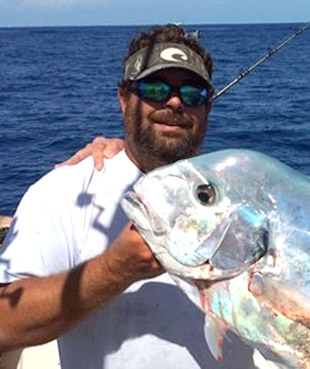
Along the southeastern coast and in the Gulf, tilefish live in burrows and sometimes congregate in pods or small groups at depths ranging from 200 to more than 1,400 feet. As tilefish become larger they tend to live at greater depths. Tilefish do not school, but group in clusters near the heads and sides of submarine canyons along the outer continental shelf. The predominant fishing method is longlining with the greatest catch taken during the daylight hours. Adults weigh an average of 10-25 pounds.

Attributes

Firm, white meat with mild flavor. Extra lean fish.

Substitutes

Amberjack, tilapia, grouper, shark, snapper.

How Much to Buy

Whole or drawn fish: 3/4 to 1 pound per serving.

Dressed or cleaned fish: 1/2 pound per serving.

Fillets or steaks: 1/4 to 1/3 pound per serving.

Buying, Storage and Handling

Remember to purchase seafood last and keep it cold during the trip home.

Fresh whole fish should have:

  • A shiny surface with tightly adhering scales.
  • Gills that are deep red or pink and are free of slime, mucus and off-odor.
  • Clean shiny belly cavity with no cuts or protruding bones.
  • A mild aroma, similar to the ocean.

Fresh steaks, fillets and loins should have:

  • A translucent look.
  • Flesh that is firm and not separating.
  • A mild odor, similar to the ocean.
  • No discoloration.
  • Packaging that keeps them from being bent in an unnatural position.

Preparation

Keep raw and cooked seafood separate to prevent bacterial cross-contamination.

After handling raw seafood, thoroughly wash knives, cutting surfaces, sponges and your hands with hot soapy water.

Always marinate seafood in the refrigerator.

Discard marinade; it contains raw juices that may harbor bacteria.

When marinade is needed for basting, reserve a portion before adding raw seafood.

Cooking

The general rule is 10 minutes per inch of thickness, at the thickest part of the fillet or steak, at 400-450 degrees F.

If fish is cooked in parchment, foil or a sauce, add 5 minutes to the total cooking time.

Fillets less than 1/2 inch thick do not need to be turned during cooking.

Fish cooks quickly. Do not overcook.

Fish is done when the flesh becomes opaque and flakes easily when tested with a fork.

Poaching, steaming, baking, broiling, sautéing and microwaving are excellent low-fat cooking methods, if you do not add high-fat ingredients.

Marinate in your favorite salad dressing prior to cooking.

Broil, bake, steam or microwave, then cube and add to pasta or salad greens for a delicious salad.

Broil or grill with lime-butter and seasoned salt.

Oil the grill to prevent fish from sticking.

Bake whole fish with a crab or shrimp stuffing.

Add leftover fish in broken pieces to salads, soups or sauces.

Nutrition

Nutritional values for approximately 4 ounces (114 grams) of raw, edible portions:

  • Calories: 110
  • Calories From Fat: 15
  • Total Fat: 2g
  • Saturated Fat: 0g
  • Cholesterol: 55mg
  • Sodium: 75mg
  • Total Carbohydrates: 0g
  • Protein: 22g
  • Vitamin A: 0%DV
  • Vitamin C: 0%DV
  • Calcium: 2%DV
  • Iron: 2%DV
  • Omega-3 Fatty Acid: 0.43g
Come fish with Captain Quin. She will put you on the fish! 305.610.4778

Enjoy the ocean you love on the best fishing charters in the Keys! Cast your line and experience the thrill of the catch. Book your next fishing adventure with us today at 305.610.4778 and visit our Facebook here.


Reference: [https://www.fdacs.gov/Consumer-Resources/Buy-Fresh-From-Florida/Seafood-Products/Tilefish]

Your Guide to Successful Tilefish – and Everything –  Fishing

Tilefish, a deep-dwelling species celebrated for its tasty, firm, white meat, can be a rewarding catch. However, their deep-water homes and elusive nature mean that anglers need specialized gear and strategies to successfully target them. Discover essential tips and techniques for tilefish fishing right here.

Whatever kind of fish you want to catch, experience the thrill of fishing in Marathon Key with Sweet E Nuf Charters. From reef and offshore trips to tarpon and hump adventures, Captain Quinlyn and Captain Chuck bring skill, local knowledge, and a love for the water to every outing. Whether you’re a seasoned angler or a first-timer, they’ll tailor the trip to make it memorable and fun.

Tilefish are members of the family Malacanthidae, which is a group of fish that is widespread in tropical and temperate waters.

Six different types occur along the Atlantic coast of the United States. Two of those types, the golden tilefish (Lopholatilus chamaeleonticeps) and the blueline or gray tilefish (Caulolatilus microps), are fairly plentiful in Florida waters. The golden tilefish is the most colorful fish with a blue-green back that fades to a pearly white belly. It is touched with red and blue iridescence, highlighted by irregular yellow-gold spots and ocean-blue under the eyes. Combined with these colorful markings is the adipose flag or crest on the head. The blueline tilefish is similar in taste to the golden tilefish, but it is not as colorful and lacks the adipose flag.
Along the southeastern coast and in the Gulf, tilefish live in burrows and sometimes congregate in pods or small groups at depths ranging from 200 to more than 1,400 feet. As tilefish become larger they tend to live at greater depths. Tilefish do not school, but group in clusters near the heads and sides of submarine canyons along the outer continental shelf. The predominant fishing method is longlining with the greatest catch taken during the daylight hours. Adults weigh an average of 10-25 pounds.
Attributes

Firm, white meat with mild flavor. Extra lean fish.

Substitutes

Amberjack, tilapia, grouper, shark, snapper.

How Much to Buy

Whole or drawn fish: 3/4 to 1 pound per serving.

Dressed or cleaned fish: 1/2 pound per serving.

Fillets or steaks: 1/4 to 1/3 pound per serving.

Buying, Storage and Handling

Remember to purchase seafood last and keep it cold during the trip home.

Fresh whole fish should have:

  • A shiny surface with tightly adhering scales.
  • Gills that are deep red or pink and are free of slime, mucus and off-odor.
  • Clean shiny belly cavity with no cuts or protruding bones.
  • A mild aroma, similar to the ocean.

Fresh steaks, fillets and loins should have:

  • A translucent look.
  • Flesh that is firm and not separating.
  • A mild odor, similar to the ocean.
  • No discoloration.
  • Packaging that keeps them from being bent in an unnatural position.

Preparation

Keep raw and cooked seafood separate to prevent bacterial cross-contamination.

After handling raw seafood, thoroughly wash knives, cutting surfaces, sponges and your hands with hot soapy water.

Always marinate seafood in the refrigerator.

Discard marinade; it contains raw juices that may harbor bacteria.

When marinade is needed for basting, reserve a portion before adding raw seafood.

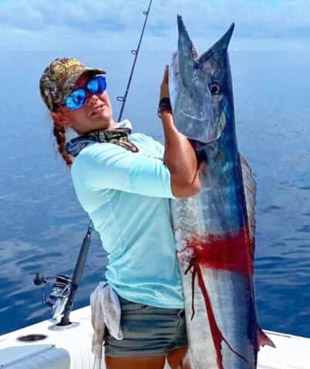
CAPTAIN QUINLYN HADDON
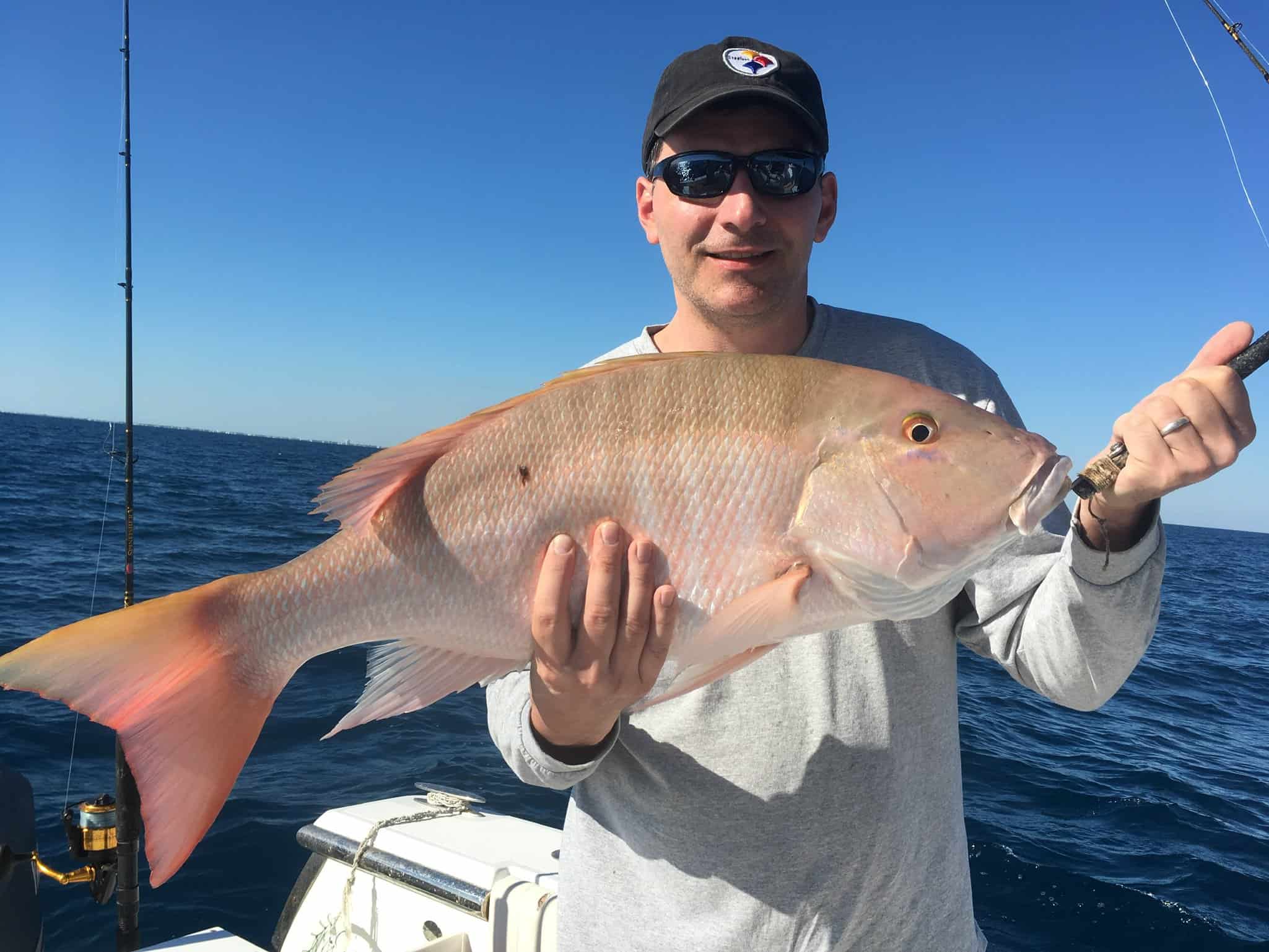
CAPTAIN DAVE SCHUGAR
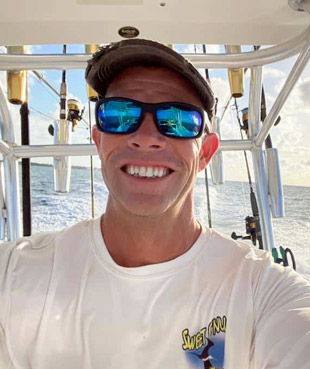
CAPTAIN CHUCK NOWICKI

Cooking

The general rule is 10 minutes per inch of thickness, at the thickest part of the fillet or steak, at 400-450 degrees F.

If fish is cooked in parchment, foil or a sauce, add 5 minutes to the total cooking time.

Fillets less than 1/2 inch thick do not need to be turned during cooking.

Fish cooks quickly. Do not overcook.

Fish is done when the flesh becomes opaque and flakes easily when tested with a fork.

Poaching, steaming, baking, broiling, sautéing and microwaving are excellent low-fat cooking methods, if you do not add high-fat ingredients.

Marinate in your favorite salad dressing prior to cooking.

Broil, bake, steam or microwave, then cube and add to pasta or salad greens for a delicious salad.

Broil or grill with lime-butter and seasoned salt.

Oil the grill to prevent fish from sticking.

Bake whole fish with a crab or shrimp stuffing.

Add leftover fish in broken pieces to salads, soups or sauces.

Nutrition

Nutritional values for approximately 4 ounces (114 grams) of raw, edible portions:

  • Calories: 110
  • Calories From Fat: 15
  • Total Fat: 2g
  • Saturated Fat: 0g
  • Cholesterol: 55mg
  • Sodium: 75mg
  • Total Carbohydrates: 0g
  • Protein: 22g
  • Vitamin A: 0%DV
  • Vitamin C: 0%DV
  • Calcium: 2%DV
  • Iron: 2%DV
  • Omega-3 Fatty Acid: 0.43g


Ready to target the delicious and elusive tilefish? Join the best fishing charters in Islamorada and learn what it takes to hook these prized catches! Call us at 305.610.4778 and visit our Facebook here.


Reference: [https://www.fdacs.gov/Consumer-Resources/Buy-Fresh-From-Florida/Seafood-Products/Tilefish]

Tips for Cooking the Best Fish Ever

There’s a unique pleasure in enjoying fish you’ve caught yourself, from the excitement of the fishing trip to the delicious taste of a well-prepared meal. Today, we’re sharing some professional advice and methods to help you cook your fish to absolute perfection.

We are all told we should eat more fish. It’s quick-cooking and delicious. But unless you’ve worked in a seafood restaurant, cooking fish can be daunting. Just one overcooked, stuck-on fillet can discourage any home cook for good. I worked for years as a line cook in the seafood-rich Pacific Northwest — here are the six key things I learned that will turn you into a fish pro like me.

1. Buy the best, leave the rest.

Fish is delicate, so your best bet is buy it from purveyors that handle it correctly and go through a lot of fish quickly. Look for whole fish that have clear (not cloudy) eyes — clear eyes are a sign of freshness.

When buying fillets, look for firm fillets without gaps in the flesh — gaps are a sign that the fish was manhandled, and it will almost certainly be mushy when cooked. Never buy fish that’s sitting in a tray of its own defrosting liquid — this is a surefire sign it will taste “fishy.” Look for fish stored on (or slightly under) crushed ice instead. Once you get the fish home, use it within a day or two.

2. Leave the skin on.

Skin acts as a natural insulator and helps to keep the fish moist when you’re cooking it. In some cases, like salmon, sea bass, and herring, the crispy cooked fish skin is delicious. To get the crispest skin, pat the fish dry thoroughly and season liberally with salt before cooking. If you’re not into eating the skin, simply slip a spatula between the skin and the fish and discard it before putting the fish on your plate.

3. Prime the pan (or grill).

Fish flesh is delicate and will tear easily, so it’s especially important to preheat the pan or grill before adding the fish.

Put a sauté pan or nonstick pan on the stove over medium-high heat and leave it for a minute or two. Flick some cold water at the pan; if the water beads and dances in the pan, it’s ready. Add a little high smoke-point oil to the pan or brush the oil directly on the fish. For grilling fish, I moisten a rolled-up kitchen towel with neutral flavored oil and rub the grill grates with it before preheating over medium high heat.

4. Put the fish in the pan and leave it be.

When searing or grilling fish fillets, put the fish flesh-side down on the hot surface and then then don’t touch it for a few minutes. It needs to sear and set the proteins. If you try to move the fish too early, you’ll wind up with nice crust you just formed stuck to the pan.  Resist the urge to flip until the fish releases easily when you gently wedge a thin spatula under the fillets.

5. Don’t overcook it.

There’s very general rule that you sear or grill fish fillets 10 minutes per inch of thickness, flipping once during this time. For example, if you have a piece of salmon fillet that’s 1/2-inch thick, that’s 2 1/2 minutes per side. That’s general, but it gives you an idea of how fast fish can overcook. But don’t take that as a prescription; you need to test for doneness. Which leads me to my last tip.

6. Feel, don’t flake.

Flaking fish to check for doneness messes up the looks of a nice piece of fish, plus if it’s truly flaky, it’s probably overdone. Instead, insert a thin-bladed steak knife into the thickest part of the fillet and count “1-Mississippi, 2-Mississippi, 3-Mississippi.”

If the knife comes out cold to the touch, the fish is still rare in the center (good for tuna). If the knife is hot, the fish is well-done (think: tilapia and halibut). If the knife is warm-ish, you’ve got medium-rare to medium fish (my preferred temp for wild fish like salmon and steelhead trout). You can also use a thermometer to test fish for doneness.

Dream of catching and cooking your own fish? Join the best fishing charters in Islamorada! Call us at 305.610.4778 and visit our Facebook here.


Reference: [https://www.thekitchn.com/fish-cooking-tips-23363944]

Set the Hook Like a Pro

Okay, picture this: you feel that little tug on your line, and you know it’s fish-on! But what happens next? That’s where setting the hook comes in, and it’s honestly one of the most exciting parts of fishing. Don’t worry, it’s not as tricky as it might seem. We’re going to break down how to get a good, solid hookset, so you can turn those nibbles into awesome catches. 

When you fish with us, our crew will set you up for success. Set sail with us for unforgettable moments on the water. Our expert guides, top-notch gear, and pristine locations ensure an epic fishing experience. Secure your spot for the thrill of a lifetime!

What Is Setting a Hook

Simply put, it is the act of planting the hook into the biting fish. You might be thinking, well, how hard can that be? Fish takes bait, reel in. But how can you be sure? A fishing pole or fishing rod setup for beginners may only contain a common bobber. How do you tell the difference between an actual bite versus a nibble or bump of the line? Follow the steps below to learn how to hook a fish every time.

When To Set a Hook

A good rule of thumb when learning how to fish, is to wait and feel the weight of the fish before setting it. If the fish is cautious and just tapping your fishing line and bait lightly, and not biting it, it’s best to wait. Let the fish take the bait, and then set the hook after you feel its weight. For best results, be sure to use the proper fishing hook setup. For example, the use of circle baits when fishing catfish often eliminates the need to set the hook, as it generally gets caught in the fish’s mouth automatically.

How To Set A Hook In Simple Steps

  1. To help you better know how to set the hook, look for common signs a fish is biting such us: your bobber is pulled completely underwater, you feel a true tug on your fishing line or your fishing line starts moving.
  2. Reel in slack and keep your line tight with the bait or lure. This helps increase the sensitivity allowing you to feel the fish bite and be in a better position to set the hook.
  3. The motion of setting the hook is relatively simple. But it can sometimes be difficult to tell if you have a bite or if you’re just feeling the current or a fish bumping into the bait.

The more you know about the fish species you’re after, and the more time you spend on the water practicing, the better you’ll get. So grab the proper fishing hook setup and maximize your catches!

Now that you know how to set a hook when you feel the fish, then next task is reeling it in! Visit our how to reel section to learn more about playing the fish.

Ready to practice your hook-setting skills? Join the best fishing charters in Islamorada! We’ll show you how to set the hook like a pro and have a blast catching fish. Marathon reef fishing charters are most often a four hour trip but it can be eight hours if you so choose. This type of charter is best suited for families with small children and clients who just want action. Call us at 305.610.4778 and visit our Facebook here.


Reference: [https://www.takemefishing.org/how-to-fish/how-to-catch-fish/how-to-set-the-hook/]