10 Best Fishing Podcasts Every Angler Should Hear

10 Best Fishing Podcasts Every Angler Should Hear

There’s something timeless about the rhythm of fishing — the early mornings, the anticipation, the sound of the reel. But when you can’t be out on the water, the next best thing is tuning into the voices of those who live and breathe the sport. Fishing podcasts keep you connected, informed, and inspired — from expert tactics and conservation stories to hilarious on-the-water mishaps. Whether you’re casting in saltwater or freshwater, podcasts are the perfect companion for your drive to the dock or while cleaning your gear at day’s end.

Here’s the full list of the 10 Best Fishing Podcasts to follow.

🎣 Top Picks for Anglers Who Never Stop Learning
Each of these shows offers a unique angle on the fishing lifestyle — from seasoned captains to everyday enthusiasts sharing stories, strategies, and gear insights:

  1. 🎧 The Orvis Fly Fishing Guide Podcast — For fly anglers, this podcast delivers expert casting advice, gear talk, and in-depth ecology discussions.
  2. 🎧 Salt Strong Podcast — Focused on inshore and saltwater strategies, with practical advice for catching redfish, trout, and snook.
  3. 🎧 Fish Nerds Podcast — Fun, quirky, and full of fishing stories from both pros and weekend anglers.
  4. 🎧 Anchored with April Vokey — Deep, personal interviews with some of the most respected names in fishing and conservation.
  5. 🎧 The Big Bass Podcast — A must-listen for bass anglers — deep dives into techniques, tournament talk, and bass culture.
  6. 🎧 Tackle Talk Podcast — Honest reviews, pro interviews, and everything tackle-related for serious gearheads.
  7. 🎧 Millhouse Podcast — Legendary saltwater anglers share stories from the flats and beyond.
  8. 🎧 Captain’s Collective Podcast — Captains and guides discuss fishing philosophy, storytelling, and the art of patience on the water.
  9. 🎧 Bent by MeatEater — From the team at MeatEater, this one’s irreverent, smart, and full of angler humor.
  10. 🎧 The Fishing Booker Podcast — A global perspective with interviews from top charter captains and travel destinations.

🐠 Make Your Own Fishing Story With Sweet Enuf Charters

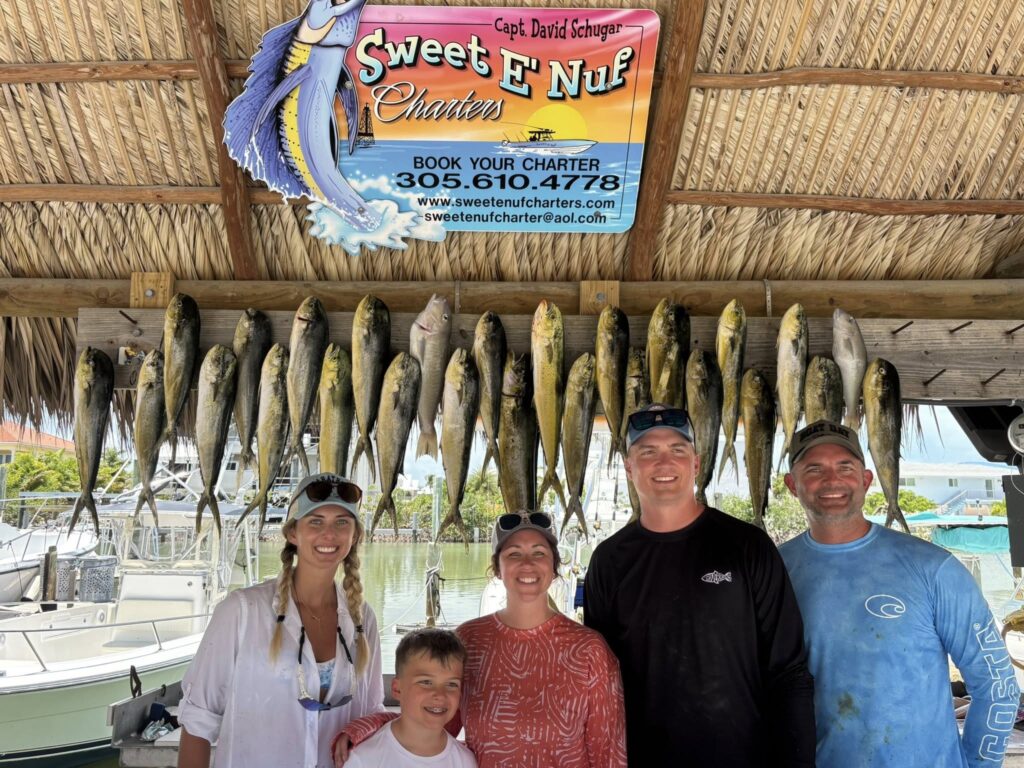
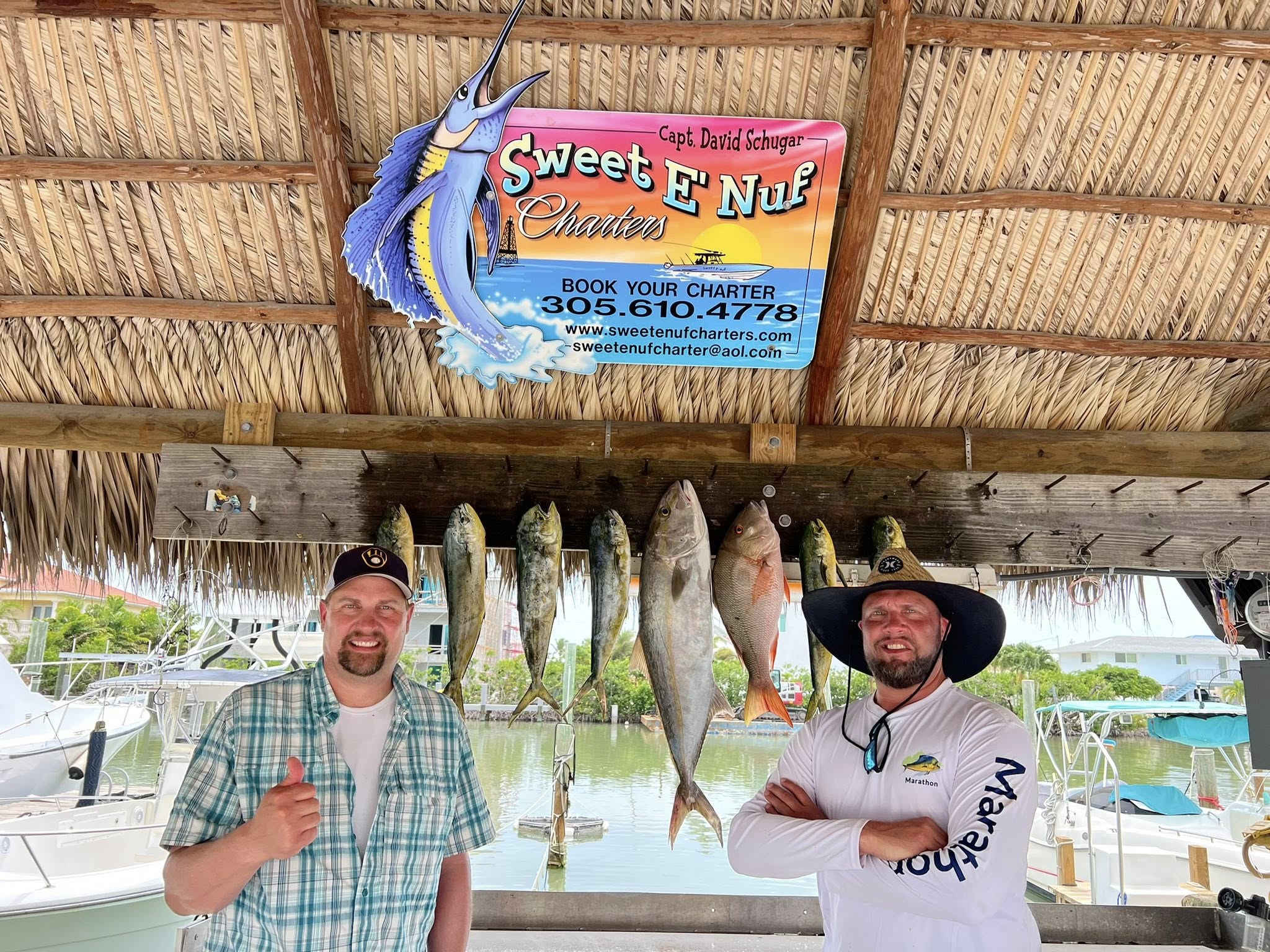
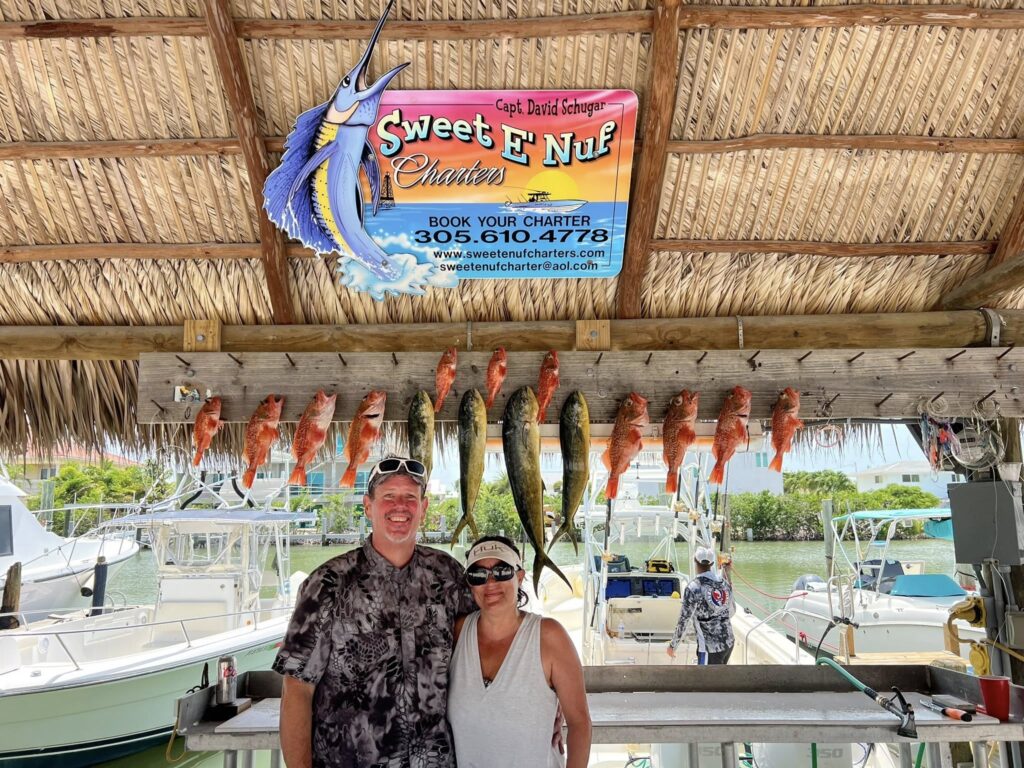
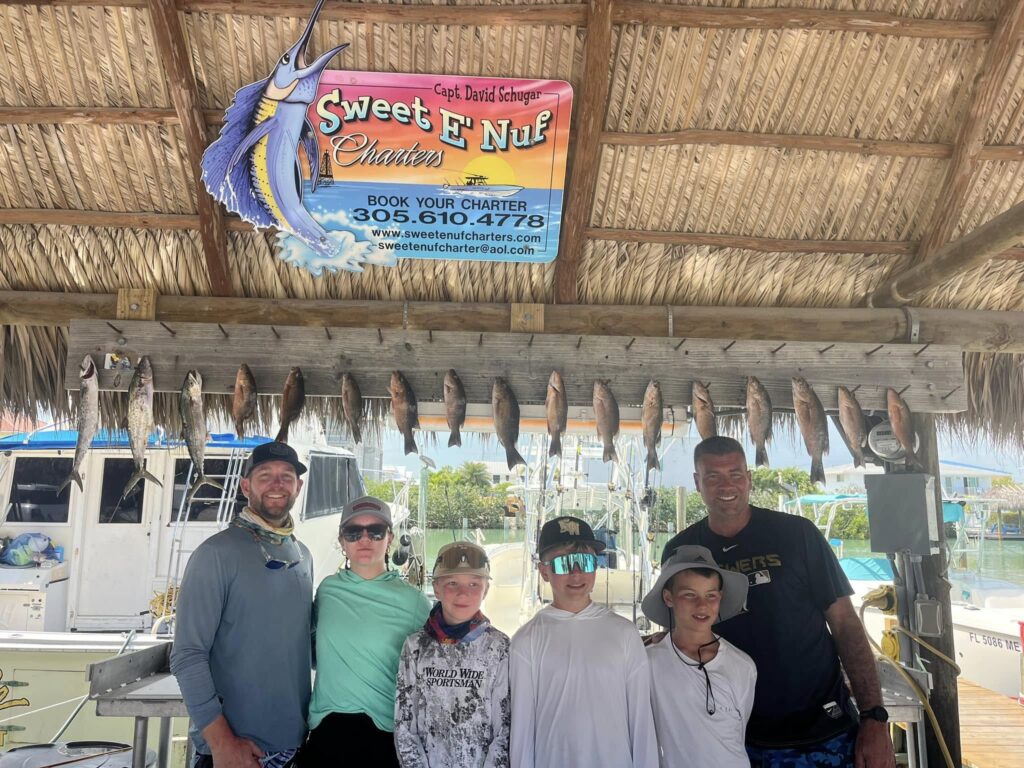
There’s no better feeling than turning knowledge into experience — and that’s exactly what you’ll do aboard Sweet Enuf Charters. Based in Islamorada, Florida, our professional team provides everything you need for an unforgettable day on the water — premium gear, expert guidance, kid-friendly, and an experienced, fun crew that knows where the big ones bite.

Whether you’re a seasoned angler chasing your next trophy or a family looking for an exciting ocean adventure, we’ll help you reel in memories that last a lifetime. Ready to feel that drag scream? 🎣

📞 Call 305-610-4778 to reserve your charter today
🌐 Visit sweetenufcharters.com for trip options and details
💙 Follow us on Facebook and IG for fishing updates, catches, and special offers

Don’t just listen to fishing stories — live them. Step aboard Sweet Enuf and experience the thrill of world-class sportfishing in the Florida Keys.

Creating Memories While Fishing with Your Kids

Fishing with kids is a wonderful way to slow down, connect with nature, and create lasting memories. It’s not just about the catch; it’s about the experience. Here are some tips to help you make your next family fishing trip a fun and successful adventure for everyone.
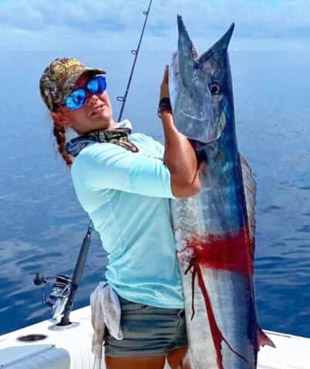
Spending time on the water together gives kids a chance to unplug, learn patience, and discover the joy of being outdoors. From teaching them how to cast a line to celebrating even the smallest catch, every moment becomes a chance to bond and share stories that will be retold for years. With the right guidance and a little preparation, fishing transforms from a simple outing into an unforgettable family tradition. We would love to give you that experience! 

7 simple tips to get your kids out fishing and having fun outdoors. Just a little bit of prepping for your kids to catch their first fish.

Fishing is a fantastic activity that gets your kids outside and interacting with the environment. With a little preparation and patience, you will have your kids catching their first fish in no time. Building memories on the water is very rewarding, and we have some ways to help make it super simple. Here are my top tips for successfully fishing with kids.

1. Plan your Trip with Kids in Mind

As a parent or caregiver, you know that plenty of unexpected events can put the damper on a fun trip. Make your first fishing trip easy by finding a spot close to home with bathroom access and enough open space for kids to cast. Public fishing piers and longer beach accesses are ideal. To find fishing spot near you, check out the Places to Boat & Fish Map and the Top Mom-Approved Places to Fish and Boat in the US.

2. Always Bring Life Jackets

Everyone should be wearing a life jacket as they learn to fish, including you! Even when you are fishing from shore, wearing a lifejacket develops safety habits. Also, bring along, hats, a pocket sized first aid kit and enough water and snacks for an enjoyable day.

3. Target Easy Fish

Do not go for trophy sized game fish when you take kids fishing. These species take more skill and patience than children are comfortable with. You should focus on targeting the most populated and actively feeding species. Panfish and trout are a good place to start. They can be found right next to the dock or weed beds adjacent to the shoreline. Rig up a basic hook, sinker and bobber. You can find this tackle in the Tailored Tackle Basic Fishing Kit. We recommend baiting a pinch of nightcrawler or small ball of bread.

4. Fishing Isn’t Boring

While not catching fish can be discouraging, especially to a young angler, there are many ways to go out ‘fishing’ and have fun without ‘catching’. When they’ve tired of casting, encourage them to poke around the river bank. They can look for critters, collect rocks, and get dirty. Playing with worms, launching leaf “boats” into the water, or even just taking a break and going for a walk can help younger anglers stay engaged. And don’t make your first excursion an all-day affair. An hour or two of casting, depending on the child’s age, will likely be just enough to keep them wanting more!

5. Teach them to Be Gentle

For kids under 12, you should be the only one releasing fish. Show them how to remove the hook, submerge the fish in water, and resuscitate by working the fish’s tail. Kids over 12 will have hands large enough to release fish on their own, however emphasize gentle release by submerging the fish. Children may panic the first time they hold a fish (it’s slimy! It moved!) so ensure your larger adult hands are cupping the child’s to ensure the fish isn’t thrown or dropped by accident.

6. Selfless Patience Creates New Anglers

Focus on giving your kid an amazing fishing experience. Your goal is to create a new angler who can enjoy the water with you for the rest of their lives. Fishing can be frustrating and feel slow going if the fish aren’t biting. It is your job to make it easier and exciting. While it may take a bit of work in the beginning, the reward is a new fishing partner. When their pole gets tangled, give them yours to keep them fishing while you fix it. If the bite slows down, go adventure along the shoreline or play in the water. You want them to associate fishing with fun. As you keep them interested in the sport, they will advance and learn to appreciate it as they grow.

7. Follow the Rules

Make sure you are aware of your state’s regulations before your family goes out fishing. The good news is that Take Me Fishing has an amazing License and Registration tool that makes getting a license and following the rules easy.

Plan a fishing trip with your kids on the best fishing charters in Islamorada! At Sweet Enuf Charters, we’ve got everything you need to make your adventure safe, exciting, and memorable. Book your next family fishing trip with us today at 305.610.4778 and check us out on Facebook for updates, photos, and inspiration for your time on the water.


Reference: [https://www.takemefishing.org/blog/november-2019/7-tips-for-fishing-with-kids/]

Fishing and Mental Well-being

Fishing is more than just a sport; it’s a powerful way to unwind and improve your mental well-being. The simple act of casting a line offers a peaceful escape from daily stress, helping you focus and connect deeply with the natural world. Discover how this calming activity can significantly enhance your mental health.

Ready to experience it for yourself? Book a trip with Sweet E’Nuf Charters and let the water work its magic. Whether you’re an experienced angler or brand new to fishing, our relaxing, guided charters are the perfect way to recharge your mind and reconnect with nature. Cast off stress and reel in peace—reserve your spot today.

Many of us crave outdoor experiences on or near the water, but do we know why fishing for mental health can be so beneficial? The short answer is, we do. There are published studies that highlight the scientific evidence behind the ways in which stress relief through fishing and the outdoors can have a positive impact on our well-being.

Check out some of the amazing mental health benefits (backed by research) that are associated with being on or near the water:

1. Fishing reduces stress and enhances mood. According to the National Library of Medicine, recreational fishing has been associated with lower stress levels and improved mood. One study on recreational fishing, health and well-being found that avid anglers reported up to 15.4% lower stress scores compared to less active anglers.

2. Being outdoors improves mental well-being. Spending time in nature, including activities like fishing, can enhance overall mental well-being. Research highlighted by the American Psychological Association outlines how exposure to natural environments is linked to improved mood, a reduction in anxiety (the benefits of fishing for anxiety are proven), cognitive benefits, and a decrease in negative emotions.

3. There is a direct connection between mindfulness and fishing. Fishing requires focus and patience, which fosters a state of mindfulness. The meditative aspect of time in nature leads to relaxation and stress relief, which contributes positively to mental health. According to an article published by the National Alliance on Mental Illness, fishing can remind us of the importance of making deliberate choices for our well-being.

4. Outdoor activities can encourage positive social connections. Participating in fishing often involves social interactions, which are very beneficial for mental health and longevity (check out the National Library of Medicine research on social relations and life satisfaction). Engaging in outdoor activities with others can improve social bonds, boost self-esteem, and provide a source of emotional support.

5. Fishing provides outdoor physical activity. Fishing is a form of physical activity that is accessible to many, including individuals with disabilities or those recovering from illness. When we can engage in outdoor activities that improve our physical health, there are additional positive mental health outcomes that follow (reference the research on Mental Health and Recreational Angling in the UK).

These findings underscore why fishing for mental health is more important than we may have previously thought. Now is a good time to encourage your family and friends to enjoy the benefits of stress reduction, mindfulness, social interaction, physical activity, and overall well-being through fishing – or relax with a few hours of quiet time on the water yourself.

Enjoy the ocean on the best fishing charters in Islamorada – heck, the whole Keys! Your time on the water is more than just a getaway — it’s a reset. At Sweet E’Nuf Charters, we create fishing experiences that leave you refreshed, recharged, and reconnected. Join us and feel the difference a day on the water can make. Book your next fishing adventure with us today at 305.610.4778 and visit our Facebook here.

Reference: [https://www.takemefishing.org/blog/april-2025/why-fishing-for-mental-health-is-more-important-than-you-might-think/]

10 Easy Ways You Can Protect the Ocean

The health of our local waters and global marine life relies on us all. Our daily choices, from beach litter to home products, directly impact the ocean we love for recreation and sustenance. The good news is, helping the ocean is simpler than you think. Read on to discover 10 easy ways you can make a real difference.

Want to see the ocean up close and personal? At Sweet E’Nuf, our goal is to give you the best experience possible on your choice of Marathon fishing charters. Anglers of all ages and experience are welcome on all of our charters. We’ll take care of everything like rigging, baiting the hooks, setting the lines, and finding the perfect location. Our boat is also equipped with the best hardware available to help track down exactly the catch you’re looking for. Let’s get out there!

Tilefish

Tilefish are members of the family Malacanthidae, which is a group of fish that is widespread in tropical and temperate waters.

Six different types occur along the Atlantic coast of the United States. Two of those types, the golden tilefish (Lopholatilus chamaeleonticeps) and the blueline or gray tilefish (Caulolatilus microps), are fairly plentiful in Florida waters. The golden tilefish is the most colorful fish with a blue-green back that fades to a pearly white belly. It is touched with red and blue iridescence, highlighted by irregular yellow-gold spots and ocean-blue under the eyes. Combined with these colorful markings is the adipose flag or crest on the head. The blueline tilefish is similar in taste to the golden tilefish, but it is not as colorful and lacks the adipose flag.

Along the southeastern coast and in the Gulf, tilefish live in burrows and sometimes congregate in pods or small groups at depths ranging from 200 to more than 1,400 feet. As tilefish become larger they tend to live at greater depths. Tilefish do not school, but group in clusters near the heads and sides of submarine canyons along the outer continental shelf. The predominant fishing method is longlining with the greatest catch taken during the daylight hours. Adults weigh an average of 10-25 pounds.

Attributes

Firm, white meat with mild flavor. Extra lean fish.

Substitutes

Amberjack, tilapia, grouper, shark, snapper.

How Much to Buy

Whole or drawn fish: 3/4 to 1 pound per serving.

Dressed or cleaned fish: 1/2 pound per serving.

Fillets or steaks: 1/4 to 1/3 pound per serving.

Buying, Storage and Handling

Remember to purchase seafood last and keep it cold during the trip home.

Fresh whole fish should have:

  • A shiny surface with tightly adhering scales.
  • Gills that are deep red or pink and are free of slime, mucus and off-odor.
  • Clean shiny belly cavity with no cuts or protruding bones.
  • A mild aroma, similar to the ocean.

Fresh steaks, fillets and loins should have:

  • A translucent look.
  • Flesh that is firm and not separating.
  • A mild odor, similar to the ocean.
  • No discoloration.
  • Packaging that keeps them from being bent in an unnatural position.

Preparation

Keep raw and cooked seafood separate to prevent bacterial cross-contamination.

After handling raw seafood, thoroughly wash knives, cutting surfaces, sponges and your hands with hot soapy water.

Always marinate seafood in the refrigerator.

Discard marinade; it contains raw juices that may harbor bacteria.

When marinade is needed for basting, reserve a portion before adding raw seafood.

Cooking

The general rule is 10 minutes per inch of thickness, at the thickest part of the fillet or steak, at 400-450 degrees F.

If fish is cooked in parchment, foil or a sauce, add 5 minutes to the total cooking time.

Fillets less than 1/2 inch thick do not need to be turned during cooking.

Fish cooks quickly. Do not overcook.

Fish is done when the flesh becomes opaque and flakes easily when tested with a fork.

Poaching, steaming, baking, broiling, sautéing and microwaving are excellent low-fat cooking methods, if you do not add high-fat ingredients.

Marinate in your favorite salad dressing prior to cooking.

Broil, bake, steam or microwave, then cube and add to pasta or salad greens for a delicious salad.

Broil or grill with lime-butter and seasoned salt.

Oil the grill to prevent fish from sticking.

Bake whole fish with a crab or shrimp stuffing.

Add leftover fish in broken pieces to salads, soups or sauces.

Nutrition

Nutritional values for approximately 4 ounces (114 grams) of raw, edible portions:

  • Calories: 110
  • Calories From Fat: 15
  • Total Fat: 2g
  • Saturated Fat: 0g
  • Cholesterol: 55mg
  • Sodium: 75mg
  • Total Carbohydrates: 0g
  • Protein: 22g
  • Vitamin A: 0%DV
  • Vitamin C: 0%DV
  • Calcium: 2%DV
  • Iron: 2%DV
  • Omega-3 Fatty Acid: 0.43g
Come fish with Captain Quin. She will put you on the fish! 305.610.4778

Enjoy the ocean you love on the best fishing charters in the Keys! Cast your line and experience the thrill of the catch. Book your next fishing adventure with us today at 305.610.4778 and visit our Facebook here.


Reference: [https://www.fdacs.gov/Consumer-Resources/Buy-Fresh-From-Florida/Seafood-Products/Tilefish]

Your Guide to Successful Tilefish – and Everything –  Fishing

Tilefish, a deep-dwelling species celebrated for its tasty, firm, white meat, can be a rewarding catch. However, their deep-water homes and elusive nature mean that anglers need specialized gear and strategies to successfully target them. Discover essential tips and techniques for tilefish fishing right here.

Whatever kind of fish you want to catch, experience the thrill of fishing in Marathon Key with Sweet E Nuf Charters. From reef and offshore trips to tarpon and hump adventures, Captain Quinlyn and Captain Chuck bring skill, local knowledge, and a love for the water to every outing. Whether you’re a seasoned angler or a first-timer, they’ll tailor the trip to make it memorable and fun.

Tilefish are members of the family Malacanthidae, which is a group of fish that is widespread in tropical and temperate waters.

Six different types occur along the Atlantic coast of the United States. Two of those types, the golden tilefish (Lopholatilus chamaeleonticeps) and the blueline or gray tilefish (Caulolatilus microps), are fairly plentiful in Florida waters. The golden tilefish is the most colorful fish with a blue-green back that fades to a pearly white belly. It is touched with red and blue iridescence, highlighted by irregular yellow-gold spots and ocean-blue under the eyes. Combined with these colorful markings is the adipose flag or crest on the head. The blueline tilefish is similar in taste to the golden tilefish, but it is not as colorful and lacks the adipose flag.

Along the southeastern coast and in the Gulf, tilefish live in burrows and sometimes congregate in pods or small groups at depths ranging from 200 to more than 1,400 feet. As tilefish become larger they tend to live at greater depths. Tilefish do not school, but group in clusters near the heads and sides of submarine canyons along the outer continental shelf. The predominant fishing method is longlining with the greatest catch taken during the daylight hours. Adults weigh an average of 10-25 pounds.

Attributes

Firm, white meat with mild flavor. Extra lean fish.

Substitutes

Amberjack, tilapia, grouper, shark, snapper.

How Much to Buy

Whole or drawn fish: 3/4 to 1 pound per serving.

Dressed or cleaned fish: 1/2 pound per serving.

Fillets or steaks: 1/4 to 1/3 pound per serving.

Buying, Storage and Handling

Remember to purchase seafood last and keep it cold during the trip home.

Fresh whole fish should have:

  • A shiny surface with tightly adhering scales.
  • Gills that are deep red or pink and are free of slime, mucus and off-odor.
  • Clean shiny belly cavity with no cuts or protruding bones.
  • A mild aroma, similar to the ocean.

Fresh steaks, fillets and loins should have:

  • A translucent look.
  • Flesh that is firm and not separating.
  • A mild odor, similar to the ocean.
  • No discoloration.
  • Packaging that keeps them from being bent in an unnatural position.

Preparation

Keep raw and cooked seafood separate to prevent bacterial cross-contamination.

After handling raw seafood, thoroughly wash knives, cutting surfaces, sponges and your hands with hot soapy water.

Always marinate seafood in the refrigerator.

Discard marinade; it contains raw juices that may harbor bacteria.

When marinade is needed for basting, reserve a portion before adding raw seafood.

CAPTAIN QUINLYN HADDON
CAPTAIN DAVE SCHUGAR
CAPTAIN CHUCK NOWICKI

Cooking

The general rule is 10 minutes per inch of thickness, at the thickest part of the fillet or steak, at 400-450 degrees F.

If fish is cooked in parchment, foil or a sauce, add 5 minutes to the total cooking time.

Fillets less than 1/2 inch thick do not need to be turned during cooking.

Fish cooks quickly. Do not overcook.

Fish is done when the flesh becomes opaque and flakes easily when tested with a fork.

Poaching, steaming, baking, broiling, sautéing and microwaving are excellent low-fat cooking methods, if you do not add high-fat ingredients.

Marinate in your favorite salad dressing prior to cooking.

Broil, bake, steam or microwave, then cube and add to pasta or salad greens for a delicious salad.

Broil or grill with lime-butter and seasoned salt.

Oil the grill to prevent fish from sticking.

Bake whole fish with a crab or shrimp stuffing.

Add leftover fish in broken pieces to salads, soups or sauces.

Nutrition

Nutritional values for approximately 4 ounces (114 grams) of raw, edible portions:

  • Calories: 110
  • Calories From Fat: 15
  • Total Fat: 2g
  • Saturated Fat: 0g
  • Cholesterol: 55mg
  • Sodium: 75mg
  • Total Carbohydrates: 0g
  • Protein: 22g
  • Vitamin A: 0%DV
  • Vitamin C: 0%DV
  • Calcium: 2%DV
  • Iron: 2%DV
  • Omega-3 Fatty Acid: 0.43g


Ready to target the delicious and elusive tilefish? Join the best fishing charters in Islamorada and learn what it takes to hook these prized catches! Call us at 305.610.4778 and visit our Facebook here.


Reference: [https://www.fdacs.gov/Consumer-Resources/Buy-Fresh-From-Florida/Seafood-Products/Tilefish]

Tips for Cooking the Best Fish Ever

There’s a unique pleasure in enjoying fish you’ve caught yourself, from the excitement of the fishing trip to the delicious taste of a well-prepared meal. Today, we’re sharing some professional advice and methods to help you cook your fish to absolute perfection.

We are all told we should eat more fish. It’s quick-cooking and delicious. But unless you’ve worked in a seafood restaurant, cooking fish can be daunting. Just one overcooked, stuck-on fillet can discourage any home cook for good. I worked for years as a line cook in the seafood-rich Pacific Northwest — here are the six key things I learned that will turn you into a fish pro like me.

1. Buy the best, leave the rest.

Fish is delicate, so your best bet is buy it from purveyors that handle it correctly and go through a lot of fish quickly. Look for whole fish that have clear (not cloudy) eyes — clear eyes are a sign of freshness.

When buying fillets, look for firm fillets without gaps in the flesh — gaps are a sign that the fish was manhandled, and it will almost certainly be mushy when cooked. Never buy fish that’s sitting in a tray of its own defrosting liquid — this is a surefire sign it will taste “fishy.” Look for fish stored on (or slightly under) crushed ice instead. Once you get the fish home, use it within a day or two.

2. Leave the skin on.

Skin acts as a natural insulator and helps to keep the fish moist when you’re cooking it. In some cases, like salmon, sea bass, and herring, the crispy cooked fish skin is delicious. To get the crispest skin, pat the fish dry thoroughly and season liberally with salt before cooking. If you’re not into eating the skin, simply slip a spatula between the skin and the fish and discard it before putting the fish on your plate.

3. Prime the pan (or grill).

Fish flesh is delicate and will tear easily, so it’s especially important to preheat the pan or grill before adding the fish.

Put a sauté pan or nonstick pan on the stove over medium-high heat and leave it for a minute or two. Flick some cold water at the pan; if the water beads and dances in the pan, it’s ready. Add a little high smoke-point oil to the pan or brush the oil directly on the fish. For grilling fish, I moisten a rolled-up kitchen towel with neutral flavored oil and rub the grill grates with it before preheating over medium high heat.

4. Put the fish in the pan and leave it be.

When searing or grilling fish fillets, put the fish flesh-side down on the hot surface and then then don’t touch it for a few minutes. It needs to sear and set the proteins. If you try to move the fish too early, you’ll wind up with nice crust you just formed stuck to the pan.  Resist the urge to flip until the fish releases easily when you gently wedge a thin spatula under the fillets.

5. Don’t overcook it.

There’s very general rule that you sear or grill fish fillets 10 minutes per inch of thickness, flipping once during this time. For example, if you have a piece of salmon fillet that’s 1/2-inch thick, that’s 2 1/2 minutes per side. That’s general, but it gives you an idea of how fast fish can overcook. But don’t take that as a prescription; you need to test for doneness. Which leads me to my last tip.

6. Feel, don’t flake.

Flaking fish to check for doneness messes up the looks of a nice piece of fish, plus if it’s truly flaky, it’s probably overdone. Instead, insert a thin-bladed steak knife into the thickest part of the fillet and count “1-Mississippi, 2-Mississippi, 3-Mississippi.”

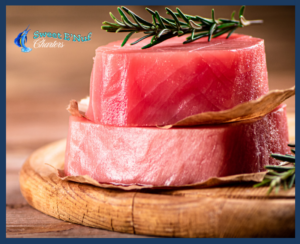
If the knife comes out cold to the touch, the fish is still rare in the center (good for tuna). If the knife is hot, the fish is well-done (think: tilapia and halibut). If the knife is warm-ish, you’ve got medium-rare to medium fish (my preferred temp for wild fish like salmon and steelhead trout). You can also use a thermometer to test fish for doneness.

Dream of catching and cooking your own fish? Join the best fishing charters in Islamorada! Call us at 305.610.4778 and visit our Facebook here.


Reference: [https://www.thekitchn.com/fish-cooking-tips-23363944]

Set the Hook Like a Pro

Okay, picture this: you feel that little tug on your line, and you know it’s fish-on! But what happens next? That’s where setting the hook comes in, and it’s honestly one of the most exciting parts of fishing. Don’t worry, it’s not as tricky as it might seem. We’re going to break down how to get a good, solid hookset, so you can turn those nibbles into awesome catches. 

When you fish with us, our crew will set you up for success. Set sail with us for unforgettable moments on the water. Our expert guides, top-notch gear, and pristine locations ensure an epic fishing experience. Secure your spot for the thrill of a lifetime!

What Is Setting a Hook

Simply put, it is the act of planting the hook into the biting fish. You might be thinking, well, how hard can that be? Fish takes bait, reel in. But how can you be sure? A fishing pole or fishing rod setup for beginners may only contain a common bobber. How do you tell the difference between an actual bite versus a nibble or bump of the line? Follow the steps below to learn how to hook a fish every time.

When To Set a Hook

A good rule of thumb when learning how to fish, is to wait and feel the weight of the fish before setting it. If the fish is cautious and just tapping your fishing line and bait lightly, and not biting it, it’s best to wait. Let the fish take the bait, and then set the hook after you feel its weight. For best results, be sure to use the proper fishing hook setup. For example, the use of circle baits when fishing catfish often eliminates the need to set the hook, as it generally gets caught in the fish’s mouth automatically.

How To Set A Hook In Simple Steps

  1. To help you better know how to set the hook, look for common signs a fish is biting such us: your bobber is pulled completely underwater, you feel a true tug on your fishing line or your fishing line starts moving.
  2. Reel in slack and keep your line tight with the bait or lure. This helps increase the sensitivity allowing you to feel the fish bite and be in a better position to set the hook.
  3. The motion of setting the hook is relatively simple. But it can sometimes be difficult to tell if you have a bite or if you’re just feeling the current or a fish bumping into the bait.

The more you know about the fish species you’re after, and the more time you spend on the water practicing, the better you’ll get. So grab the proper fishing hook setup and maximize your catches!

Now that you know how to set a hook when you feel the fish, then next task is reeling it in! Visit our how to reel section to learn more about playing the fish.

Ready to practice your hook-setting skills? Join the best fishing charters in Islamorada! We’ll show you how to set the hook like a pro and have a blast catching fish. Marathon reef fishing charters are most often a four hour trip but it can be eight hours if you so choose. This type of charter is best suited for families with small children and clients who just want action. Call us at 305.610.4778 and visit our Facebook here.


Reference: [https://www.takemefishing.org/how-to-fish/how-to-catch-fish/how-to-set-the-hook/]

Essential Tips for Cooking a Delicious Fish

Cooking fish can be a truly rewarding culinary experience from the moment you reel in your catch to the triumphant bite of a perfectly flaky fillet. Check out our selection of essential tips and techniques to elevate your fish dishes to new heights. 

We are all told we should eat more fish. It’s quick-cooking and delicious. But unless you’ve worked in a seafood restaurant, cooking fish can be daunting. Just one overcooked, stuck-on fillet can discourage any home cook for good. I worked for years as a line cook in the seafood-rich Pacific Northwest — here are the six key things I learned that will turn you into a fish pro like me.

1. Buy the best, leave the rest.

Fish is delicate, so your best bet is buy it from purveyors that handle it correctly and go through a lot of fish quickly. Look for whole fish that have clear (not cloudy) eyes — clear eyes are a sign of freshness.

When buying fillets, look for firm fillets without gaps in the flesh — gaps are a sign that the fish was manhandled, and it will almost certainly be mushy when cooked. Never buy fish that’s sitting in a tray of its own defrosting liquid — this is a surefire sign it will taste “fishy.” Look for fish stored on (or slightly under) crushed ice instead. Once you get the fish home, use it within a day or two.

2. Leave the skin on.

Skin acts as a natural insulator and helps to keep the fish moist when you’re cooking it. In some cases, like salmon, sea bass, and herring, the crispy cooked fish skin is delicious. To get the crispest skin, pat the fish dry thoroughly and season liberally with salt before cooking. If you’re not into eating the skin, simply slip a spatula between the skin and the fish and discard it before putting the fish on your plate.

3. Prime the pan (or grill).

Fish flesh is delicate and will tear easily, so it’s especially important to preheat the pan or grill before adding the fish.

Put a sauté pan or nonstick pan on the stove over medium-high heat and leave it for a minute or two. Flick some cold water at the pan; if the water beads and dances in the pan, it’s ready. Add a little high smoke-point oil to the pan or brush the oil directly on the fish. For grilling fish, I moisten a rolled-up kitchen towel with neutral flavored oil and rub the grill grates with it before preheating over medium high heat.

4. Put the fish in the pan and leave it be.

When searing or grilling fish fillets, put the fish flesh-side down on the hot surface and then then don’t touch it for a few minutes. It needs to sear and set the proteins. If you try to move the fish too early, you’ll wind up with nice crust you just formed stuck to the pan.  Resist the urge to flip until the fish releases easily when you gently wedge a thin spatula under the fillets.

5. Don’t overcook it.

There’s very general rule that you sear or grill fish fillets 10 minutes per inch of thickness, flipping once during this time. For example, if you have a piece of salmon fillet that’s 1/2-inch thick, that’s 2 1/2 minutes per side. That’s general, but it gives you an idea of how fast fish can overcook. But don’t take that as a prescription; you need to test for doneness. Which leads me to my last tip.

6. Feel, don’t flake.

Flaking fish to check for doneness messes up the looks of a nice piece of fish, plus if it’s truly flaky, it’s probably overdone. Instead, insert a thin-bladed steak knife into the thickest part of the fillet and count “1-Mississippi, 2-Mississippi, 3-Mississippi.”

If the knife comes out cold to the touch, the fish is still rare in the center (good for tuna). If the knife is hot, the fish is well-done (think: tilapia and halibut). If the knife is warm-ish, you’ve got medium-rare to medium fish (my preferred temp for wild fish like salmon and steelhead trout). You can also use a thermometer to test fish for doneness.

Escape the ordinary and embrace the thrill of the catch with the best fishing charters in Islamorada — or the entire Keys! Reel in your prize and savor the reward with delicious, freshly-caught fish dinners. Call us at 305.610.4778 and visit our Facebook here.


Reference: [https://www.thekitchn.com/fish-cooking-tips-23363944]

Clothing for Saltwater Fishing

Get ready to conquer the waves in style! Saltwater fishing is an incredible experience; having the right gear can make all the difference. If you’re not out on the water every day, you might wonder whats a good choice to wear? Here are some tips to help you choose the perfect clothing for your next fishing adventure. 

The only thing that stands between you and raw saltwater conditions are the clothes on your back. From extreme heat to extreme cold, modern outdoor saltwater clothing will protect you from the different elements.

Even on a bright sunny day, you can get soaking wet from salt spray, especially when deep sea fishing. A good set of foul weather fishing clothing is required attire on any saltwater fishing trip. Breathable materials have their place, but in the wet world of offshore fishing, nothing beats a set of PVC bibs, boots and rain jacket. Deep sea fishing clothing consisting of PVC attire will keep you dry and clean all day, and you can simply rinse it off and hang it to dry so it is ready for your next trip.

Suitable Saltwater Fishing Clothes

If you fish in the surf or from a kayak, a good pair of saltwater waders will be the key to comfort. In water that is warmer than 65 degrees, a quality pair of breathable saltwater waders will be as comfortable as your favorite jeans. In cold water, neoprene waders will keep you comfortably warm. Look for saltwater waders with reinforced knees, seat and booties. Boot foot waders are cheaper, but bulkier and heavier than stocking foot waders that require a separate boot. Even if you’re fishing in warm water, a solid pair of wading boots will protect your feet.

Saltwater Clothing for Sun Protection

The most dangerous condition you’ll face on the water isn’t wind or waves, but the sun. Sunburn isn’t just uncomfortable — it could lead to skin cancer. The best way to shield yourself from the sun isn’t by wearing some form of saltwater clothing, but rather by wearing sunscreen. Of course, there are ways to use clothing to protect yourself and stay cool, like by wearing a loose-fitting, lightweight long-sleeved shirt and long pants. Fabrics that have an ultraviolet protection factor (UPF) greater than 40 will protect you from the sun all day. The newest generation of fabrics is designed to dry very quickly and cool the skin, making such materials an excellent choice of saltwater clothing. Add a wide-brimmed, well-ventilated hat, and you’re wearing your own personal air conditioner.

A good pair of sunglasses will protect your eyes from the sun’s rays and help you catch more fish. Look for high-quality polarized lenses with wraparound frames to cut through the sun’s glare and see fish and structure below the water. The best fishing shades will have a thick frame that blocks light from entering the eyes. Grey lenses are best in bright conditions with clear water, while amber lenses work better in low light or cloudy, off-colored water. Some anglers even go so far as to wear light-colored gloves and a face mask to completely block out the sun.

Saltwater Clothing For Cold Weather

Some of the best fishing is done in some of the coldest weather. Today’s high-tech fabrics allow you to layer on warmth without a lot of bulk. Start with a base layer of breathable fabric that will wick moisture away from the skin. Add a mid-layer of breathable fabric with thick loft to trap warmth. Finally, put on a windproof, waterproof layer to keep out the elements.

Since 80 percent of body heat escapes through the head, a waterproof, windproof hat with thick insulation will help retain warmth. Remember, extremities are the body’s weakest link, so consider a thin pair of neoprene gloves to keep your hands warm even when they’re wet. To keep your feet warm and dry, start with thin silk-based socks under thicker insulating socks.

Escape the every day and embrace the thrill of the catch with the best fishing charters in Islamorada (ALL the Keys, really!) Book your trip and let our expert guides help you reel in your dream catch. Call us at 305.610.4778 and visit our Facebook here.


Reference: [https://www.takemefishing.org/saltwater-fishing/saltwater-fishing-gear/clothing/]

Cast Away Your Stress in the Ocean

The ocean, with its calming waves and vast expanse, has a powerful and positive impact on our well-being. From reducing stress to boosting creativity, let’s discover ten reasons why the sea is so good for our minds and bodies. Then call us – 305.610.4778 – and book your excursion and catch a lot of fish. There’s no better day. 

1. Infection-Fighting Minerals

Seawater is overflowing with minerals such as potassium, magnesium, chloride and sodium. Not only do these sneaky substances make our hair and skin look amazing; they also help fight infection and reduce inflammation. That’s why people with skin conditions such as eczema are often advised to swim in the sea as part of their treatment.

2. More Inclined To Exercise

Always putting off that run? Move to the seaside! Living around the ocean or seeing views of natural beauty increases your desire to be outside and take part in activities such as running, cycling or team sports. Of course, swimming is also much more common around beaches. Aerobic activities like these keep your respiratory system working well and are known to increase life expectancy.

3. A Bit Of UV Is Good For Us

When the sun’s UVB light rays shine on us, it stimulates the production of Vitamin D. Vitamin D is very important because it helps our bodies to produce calcium, which in turn prevents diabetes, MS, heart disease and reduces the chance of cancer. However, AS EVERYONE KNOWS, it can be dangerous to stay in the sun for too long without protection – so be sensible out there.

4. Thick Sea Air For Clearer Breathing

Get this. Because sea air has high salt content, it is quite thick. This means that as you breathe it in, it’s clearing your throat and respiratory system, allowing clearer breathing and better-quality sleep. Sea air is also known to keep you awake and energetic during the day because it is much cooler.

5. Seawater’s Salty Remedy

Due to the saltiness of seawater, it has many properties that are beneficial to us. Small cuts or grazes are healed by salt and minerals. The sea has also been proven to help muscle problems or joint pains by relaxing them and soothing the surrounding area.

6. Sand Maintains Skin Quality

Walking on fine sand at the beach is just like going for a pedicure. Except it’s free. The sediment will help exfoliate the dead skin off your feet and body, keeping your skin smooth and healthy.

7. The Ocean Is The “Right Place”

Brain imaging research has shown that proximity to water is strongly linked to your brain releasing feel-good hormones, including dopamine and oxytocin. This is likely why Hawaii has been ranked the happiest of all states for the last six years. Marine biologist and conservationist Wallace Nichols describes the sea as “a trigger telling your brain you’re in the right place” and says that “our response to water and the oceans are deep”.

8. Stress-Relieving Waves

The sound of waves has also been proven to relax the mind. As waves come in, crash, and then recede again, the parasympathetic nervous system is activated, which slows down the brain and helps promote relaxation. Shuster describes this as “de-stimulating our brains”. This process makes the part of the brain responsible for stress emotions shrink, while areas such as empathy and memory grow.

9. Cold Water Wakes Up Mind And Body

There are also benefits to swimming in colder water. The Wim Hof Theory states that swimming in colder temperatures turns you into a high-functioning zen ninja (not his words). When you are cold, adrenaline is released to keep your muscles active and your senses alert. Regular swims in cold water strengthens your muscles, sharpens your mind and is strongly linked to longer life expectancy.

10. Blue Seascapes Are Calming

Being near the ocean has mental health benefits as well as physical ones. Scientific research from Richard Shuster shows that just being near the colour blue has led to “an overwhelming amount of people to be associated with feelings of calm and peace”. Staring out at the ocean can also result in a relaxing, meditative state, and can even change the frequency of brain waves to match that of the sea, putting you really in touch with nature.

Unwind and recharge with the best fishing charters in Islamorada! Book your trip and let our expert guides help you reel in your dream catch. Call us at 305.610.4778 and visit our Facebook here.


Reference: [https://commonseas.com/news/ten-reasons-the-sea-makes-you-feel-amazing]